
An oversized third-party risk questionnaire can conceal what matters. Due diligence should test the supplier’s actual service, data access, failure consequences and contractual responsibilities rather than reward whoever completes the longest checklist.
Begin with supplier criticality, then request evidence that could change the approval decision. Validate scope, currency, authenticity and outstanding exceptions, and make conditions for onboarding or remediation explicit.
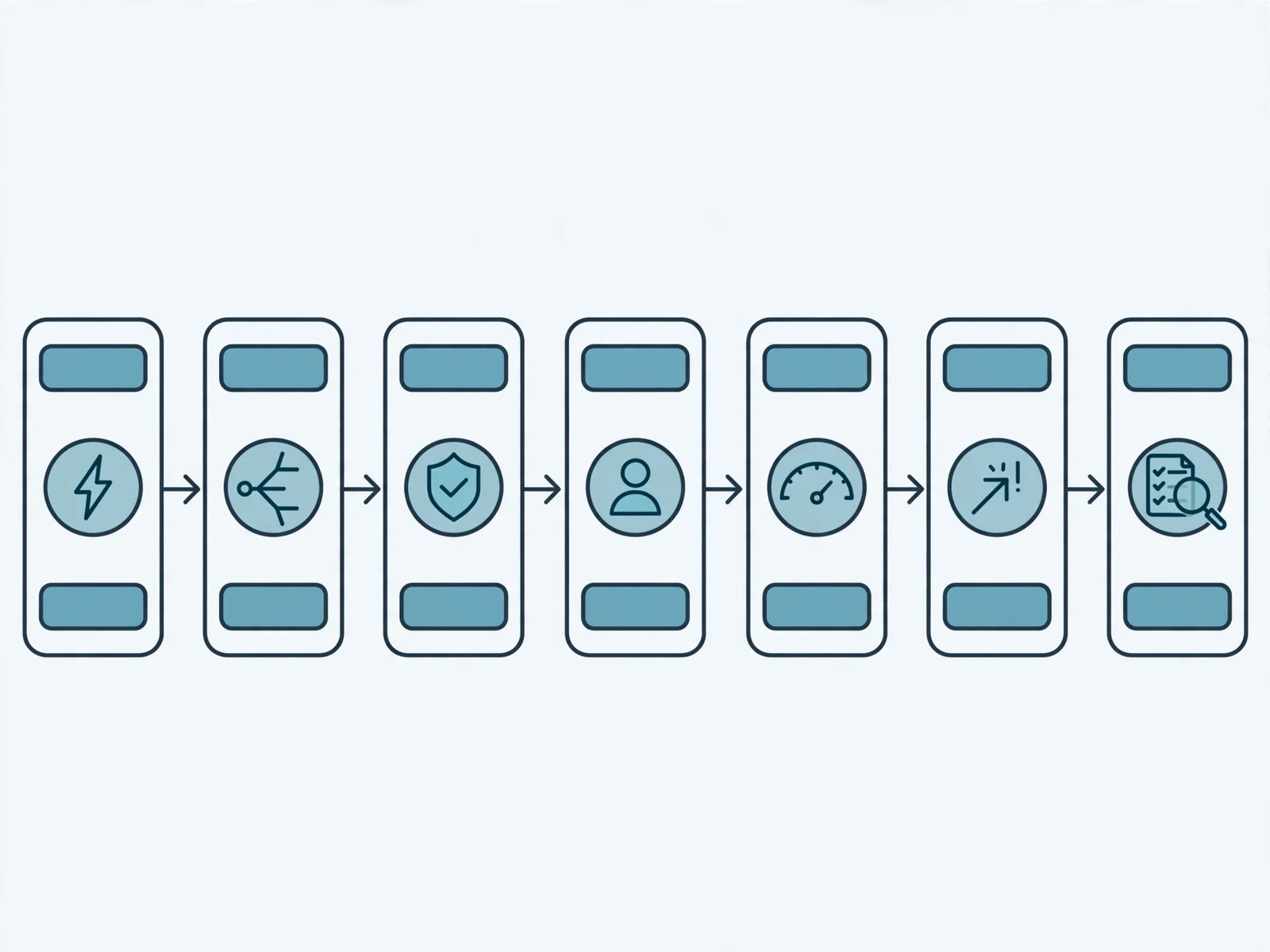
Vendor Criticality
Define the service delivered, business dependency, personal or confidential data accessed and plausible disruption consequences. This determines the evidence standard, not the supplier’s marketing claims.
Risk-Based Due Diligence
Request controls and evidence relevant to that service: access management, change control, incident response, recovery testing, financial stability, qualifications and applicable regulatory obligations. A general assurance report must be checked for scope, period and exceptions.
Contractual Controls
Match assurance gaps to enforceable obligations, responsibility boundaries, notification, audit rights, subcontractor controls and recovery or exit terms. Obtain appropriate specialist review rather than assuming procurement can approve all residual risks.
Ongoing Monitoring
Record when evidence expires, what significant changes require notice, and who reviews performance and incidents. A past audit report cannot guarantee current behaviour after material supplier changes.
Concentration And Resilience
Ask which cloud, location, critical subcontractor or technology dependencies support the service. Determine whether promised recovery options are independent and tested, not merely duplicated on paper.
Remediation And Exit
Categorize control gaps by consequence, assign owners and due dates, and decide whether conditional approval is justified. Plan verified data return/deletion and operational handover if the relationship ends.
Practical Third Party Risk Due Diligence Working Template
- Purpose: Which risk can this requested document actually reduce?
- Scope: Does the evidence cover the service, entity and period in question?
- Exceptions: What unresolved control finding affects this use case?
- Subcontractors: Which important fourth parties support delivery?
- Approval: Who can accept or reject the residual exposure?
- Exit: What will happen to services and data if the contract ends?
- Next review: Who owns the resulting decision and what evidence is needed next?
Worked Example
A hosted customer-records vendor provides a generic security certificate. The buyer checks whether the certificate covers the actual hosted service and current period, then requests evidence on access, incident escalation and recovery where gaps remain. A small office supplier receives proportionately fewer requests.
Common Mistakes to Avoid
- Treating questionnaire completion as proof of control effectiveness.
- Accepting an assurance report without scope and exception checks.
- Requesting sensitive evidence with no purpose or secure handling plan.
- Ignoring subcontractors, incident history and recovery dependencies.
- Approving a risk exception with no owner, expiry or remediation plan.
Questions Managers Should Ask
- Which failure could harm this particular service or customer?
- What original evidence would change the decision to approve?
- Does the report cover the correct provider, service and period?
- Who will monitor unresolved findings and supplier changes?
- Can a high-risk gap be mitigated, or should onboarding pause?
Management Review Checklist
Review a concise evidence register: requested control, rationale, source, scope, gaps, risk owner and approval status. Stop collecting documents when additional material cannot affect the decision.
What to Review After Three Cycles
Recheck significant evidence after material contract, technology or service changes. Compare promised controls with observed incidents and performance, and retire questions that never influence decisions.
A 30-Day Application Plan
- Week 1: Define vendor criticality and the real service scope.
- Week 2: Request targeted evidence and inspect limitations.
- Week 3: Agree remediation, contract and approval conditions.
- Week 4: Set monitoring and exit requirements before onboarding.
Capability Maturity
Basic: suppliers provide documented evidence. Developing: assurance is risk-based and exceptions controlled. Mature: evidence and outcomes actively alter supplier choices and oversight.
For HR, L&D and Corporate Sponsors
Use fictional supplier responses containing incomplete assurance in a workshop. Participants should identify missing evidence and reach defensible conditional approval decisions.
Decision Quality Test
Would this evidence materially affect whether we trust the vendor with the assigned service?
Make the Method Part of Normal Work
Keep evidence decisions and exceptions within existing procurement, IT security and risk workflows instead of multiplying separate questionnaires.
Related Courses in This Capability Cluster
Detailed workplace application
An enterprise procurement team receives a lengthy standard due-diligence questionnaire from every new supplier. It replaces uniform requests with evidence tied to the vendor’s access, operational criticality and contractual responsibilities. For a hosted customer-data service, reviewers examine relevant security assurance, incident processes, subcontractors and recovery arrangements. They challenge vague documents and escalate material gaps before commitment. The team keeps a record of accepted residual risks and monitors changes after onboarding instead of treating a completed questionnaire as continuing assurance.
Link evidence requests to procurement and risk roles
The procurement function may need to check commercial resilience and supplier obligations, while the risk team assesses control evidence and concentration. Start with the supplier-market analysis guide and distinguish it from the assurance tasks addressed in the GCC procurement training pathway. In an organizational exercise, use fictional vendor data and define who can approve evidence gaps, rather than distributing confidential real supplier files.
For an organizational cohort, request a private instructor-led training proposal with the participant roles, approximate group size and capability objective. Dates, trainers and programme terms are confirmed during scoping.
Where to Go Next
The Third-Party and Vendor Risk Management course develops this capability through live instructor-led practice and workplace application. For broader pathways, see Training Bundles and Corporate Academies.
Request fewer but more decision-relevant documents, and inspect what each actually proves.
Before requesting evidence, classify which suppliers actually warrant deeper checks using the vendor criticality assessment guide. The two guides address different stages: prioritization and evidence review.
Develop this capability in your organization