
Supply market analysis is not a list of vendor names. It tests whether enough credible supply exists, what constrains suppliers, where dependency sits and how these conditions affect sourcing choices.
Begin with a clearly defined purchase requirement and map supplier capacity, geographic exposure, alternatives, switching time and contract leverage. Use current evidence and distinguish verified facts from market hypotheses.
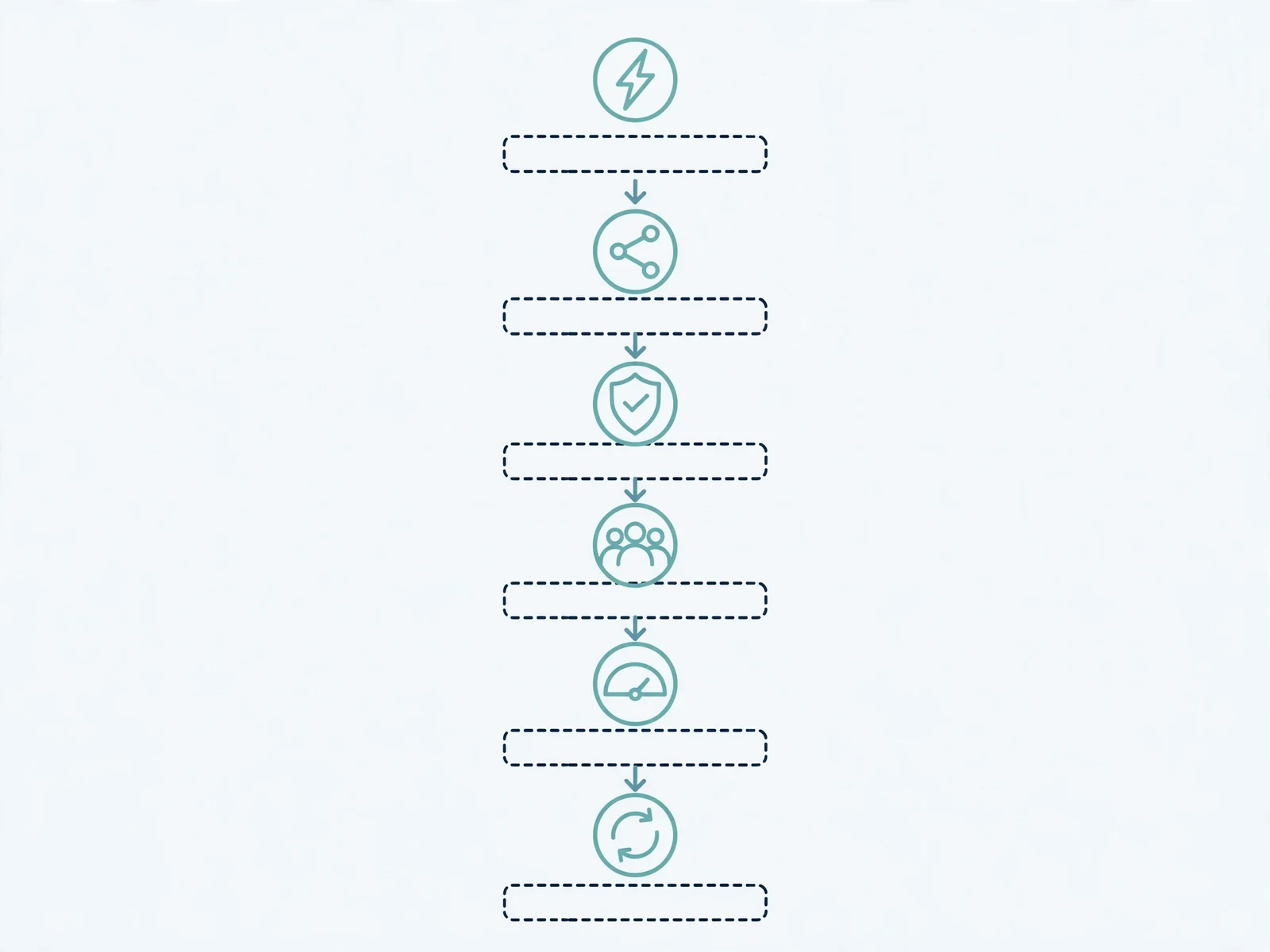
Category Scope
Define the exact service or product, performance standard and delivery location being sourced. Different specifications can create different supplier markets even when spend reports use one category label.
Spend And Demand
Understand purchase history, forecast volumes, seasonality and critical service windows. Compare the buyer’s requirements with realistic available capacity, noting where data is incomplete.
Stakeholder Requirements
Ask operational users which features are essential and which can change. Confirm compliance, continuity and technical requirements with accountable specialists before assuming a wider supplier pool is suitable.
Supplier Market
Compare capable incumbents and alternatives, supplier concentration, capacity constraints, lead times, barriers to entry and exposure to relevant disruptions. Validate assertions with direct supplier information, published filings or reliable market sources where appropriate.
Category Strategy
Translate the market view into options: competitive sourcing, dual supply, staged qualification, specification reform or longer-term partnership. Evaluate service, resilience, transition and total cost, not only price pressure.
Supplier And Performance Governance
Define indicators for capacity, quality, financial risk, bottlenecks and dependency. Assign owners to refresh the market view and escalate when supplier conditions invalidate the sourcing plan.
Practical Supply Market Analysis Working Template
- Requirement: What performance and location constraints define the eligible market?
- Buyer demand: What volumes and lead times can be evidenced?
- Supplier set: Which suppliers are demonstrably capable, not merely listed?
- Concentration: Where do buyers depend on a single facility, technology or source?
- Options: What sourcing or specification changes are operationally credible?
- Trigger: What supplier-market change would force a new decision?
- Owner and next review: Who will act on the decision and when will evidence be revisited?
Worked Example
A buyer of specialized replacement components may see many catalogue listings but discover that several resellers depend on one manufacturer. Before choosing a multi-supplier award, procurement tests common upstream dependencies, qualification lead times and alternate designs. Supplier count alone would overstate resilience.
Common Mistakes to Avoid
- Confusing reseller numbers with independent manufacturing sources.
- Treating an unverified supplier claim as confirmed available capacity.
- Ignoring qualification, tooling, logistics and changeover times.
- Assuming that a single worldwide market price applies to every contract.
- Failing to revisit the market when demand or supply constraints shift.
Questions Managers Should Ask
- How many suppliers meet the exact requirement and can show evidence?
- Do apparent alternatives share the same upstream dependency?
- What are the real lead-time and qualification barriers to switching?
- Can the specification change without compromising essential outcomes?
- What market signal would cause us to renegotiate or diversify?
Management Review Checklist
A useful market brief states the defined requirement, evidence quality, capacity map, supplier dependencies, credible options and the decision each finding affects. Mark assumptions needing supplier validation.
What to Review After Three Cycles
Compare supplier announcements and actual order performance with previous capacity assumptions. Record which risks materialized and update the sourcing route where the market behaves differently from the original analysis.
A 30-Day Application Plan
- Week 1: Define the market and qualify the demand assumptions.
- Week 2: Map credible suppliers, production dependencies and barriers.
- Week 3: Stress-test supply options against operational and qualification constraints.
- Week 4: Present the sourcing implication, unresolved facts and refresh triggers.
Capability Maturity
Basic: suppliers and key constraints are identified. Developing: alternatives and upstream dependencies are validated. Mature: market intelligence changes sourcing, inventory and continuity decisions.
For HR, L&D and Corporate Sponsors
Use a genuine but anonymized sourcing category in a workshop. Participants should distinguish listing counts from qualified supply and present alternative routes with evidence and a contingency rationale.
Decision Quality Test
If the leading supplier fails, can the team identify an actually qualified alternate and a feasible time to supply without pretending that a catalogue listing guarantees continuity?
Make the Method Part of Normal Work
Refresh analysis at material supplier, capacity, specification or demand changes. Keep it close to the sourcing plan and supplier risk register rather than maintaining a static market presentation.
Related Courses in This Capability Cluster
Detailed workplace application
A procurement manager evaluates a market with three apparent suppliers for a critical component. Research reveals that two rely on the same upstream producer, creating hidden concentration. The team interviews technical specialists, checks qualification lead times and compares geographic, financial and capacity risks. It develops contingency options and agrees what evidence justifies a single-source award. The sourcing decision includes an ongoing monitoring trigger rather than assuming that supplier capability at tender time remains unchanged for the full contract.
Apply supplier-market analysis in a regional training programme: The GCC procurement training guide connects market research with sourcing, negotiation and contract oversight. Kenyan procurement buyers can compare the Kenya procurement pathway when choosing team-development priorities.
Where to Go Next
The Procurement Category Management course develops this capability through live instructor-led practice and workplace application. For broader pathways, see Training Bundles and Corporate Academies.
Read supplier power through demonstrable options, constraints and dependency, not through the apparent length of a vendor shortlist.
Supplier Market Analysis: Training for Your Team
If your procurement team needs stronger market intelligence and sourcing decisions, discuss a practical in-house procurement pathway.
Use the market analysis in sourcing: The procurement category strategy guide turns demand, spend and supply evidence into a sourcing plan. The vendor performance scorecard helps establish what should be monitored after award.
Develop this capability in your organization