
Before acting on a green dashboard indicator, ask what it measures, which cases it excludes and which behaviour it rewards. Faster activity is not always better service.
A useful dashboard review follows the business objective, definition, quality, comparison, exceptions and response. Challenge the conclusion without requiring unnecessary analysis of every metric.
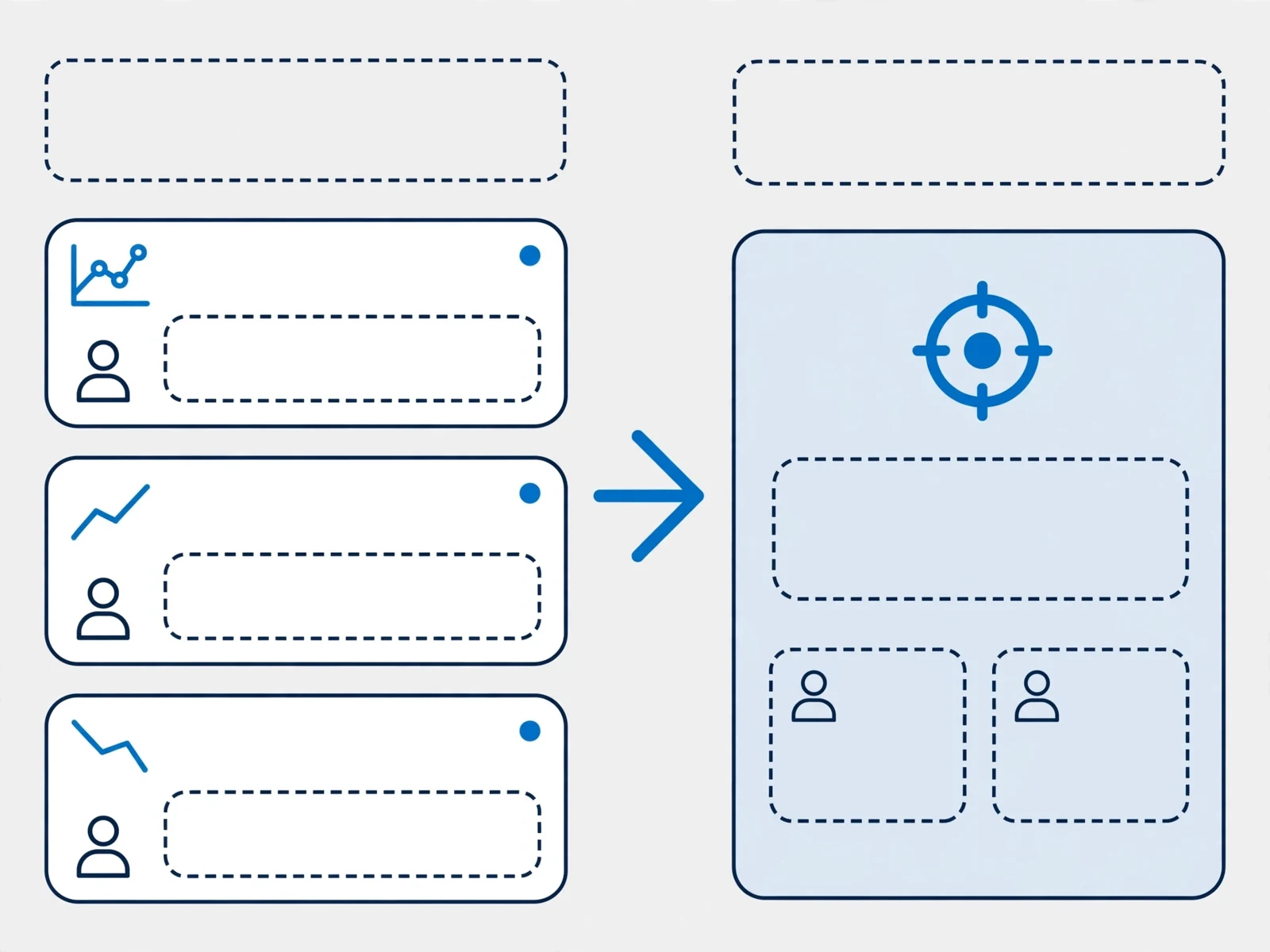
Business Question
Identify the business result and the decision that changes if the indicator moves.
Data Definitions
Check event rules, denominator, exclusions, retries, cancellations and unit definitions with the data owner.
Data Quality
Validate current records, completeness and instrument changes before explaining an apparent improvement.
Trend And Comparison
Compare like customer groups, task types and reporting periods. Consider changes in workload mix and seasonality.
Dashboard Interpretation
Look at distributions, unresolved cases and competing outcomes rather than one attractive average. Identify any work shifted to another channel.
Uncertainty And Decision Threshold
Separate observations from forecasts. Assign the owner and trigger for practical action, including when more evidence is needed.
Practical Dashboard Questions Managers Should Ask Working Template
- 1. What action should this indicator inform?
- 2. What does the number really count?
- 3. Is the source current and complete?
- 4. Are the comparisons meaningful?
- 5. What adverse result might be concealed?
- 6. Who acts if the trigger is breached?
- Decision owner: Who acts next and what evidence will be checked?
Worked Example
A contact centre reports falling average handling time while repeat calls rise. The manager looks at complex cases, transfers, abandoned contacts and changed procedures before encouraging even faster calls.
Common Mistakes to Avoid
- Reacting to one headline without context.
- Ignoring the denominator and exclusions.
- Confusing correlation with proof of improvement.
- Leaving a red indicator without an assigned response.
Questions Managers Should Ask
- Which decision changes because of this measure?
- Who is missing from the figures?
- Could a changed definition explain the trend?
- What result might be worsening despite a green metric?
Management Review Checklist
Bring the indicator definition, source caveats, contextual measures and a proposed management response to the review. Record the decision and follow-up.
Decision Quality Test
Would the action remain sound if excluded failed cases were counted?
What to Review After Three Cycles
Compare successive real cases and note where assumptions, control failures or decision results changed. Use a brief source-and-alternative-explanation check in normal management meetings.
Make the Method Part of Normal Work
Use a brief source-and-alternative-explanation check in normal management meetings.
A 30-Day Application Plan
- Week 1: Choose a real operating decision and indicator.
- Week 2: Validate counting and comparable records.
- Week 3: Inspect segments and competing outcomes.
- Week 4: Act carefully and test the operational result.
Capability Maturity
Basic: indicators are consistent. Developing: managers challenge source and context. Mature: dashboard evidence improves decisions and customer results.
For HR, L&D and Corporate Sponsors
A training exercise should force managers to reconcile apparently contradictory indicators in a fictional dashboard before deciding.
Implementation Boundary
For dashboard questions managers should ask, standardize only the definitions, evidence, ownership and escalation rules where inconsistency creates real risk or confusion. Leave professional judgement open where circumstances differ materially. The objective is reliable decisions without forcing every case through an identical script.
Evidence to Bring to the Next Review
At the next dashboard questions managers should ask review, bring the actual work product, the evidence that changed the team’s view, the decision that followed and the assumption that still matters most. This makes follow-up useful for learning and accountability instead of repeating a status summary.
Related Courses in This Capability Cluster
Applied example for management teams
A contact-center leader receives a dashboard showing faster average handling time alongside more repeat calls. Instead of celebrating one green indicator, the leader asks how the metrics are calculated, what the distribution looks like and whether transfers or abandoned contacts are excluded. Supervisors inspect representative cases and compare customer outcomes by request type. The team identifies a change that shortened calls but shifted unresolved work to another queue. The corrective action is reviewed against the complete service journey.
Build dashboards around decisions, not decoration
An effective management reporting exercise begins with who makes the decision, what action is available and which measure could mislead. The HR dashboard design guide demonstrates this relationship for workforce decisions. For data skills beyond HR, the Data Analytics for Business Managers programme can be scoped for functional leaders. A private cohort should explain what managers can challenge or approve using the dashboard.
For an organizational cohort, request a private instructor-led training proposal with the participant roles, approximate group size and capability objective. Dates, trainers and programme terms are confirmed during scoping.
Where to Go Next
The Data Analytics for Business Managers course develops this capability through live instructor-led practice and workplace application. For broader pathways, see Training Bundles and Corporate Academies.
Ask what the number means, what it hides and what action the evidence supports.
Develop this capability in your organization