
A digital programme can meet every technical milestone yet fail to improve service. Governance must therefore assign responsibility for business outcomes, operating-model change, data controls and user adoption, not simply approve software delivery.
Define who can make each decision, what evidence is required at stage gates and what happens when readiness or expected benefits fall short. Keep project delivery distinct from the operational ownership that continues after launch.
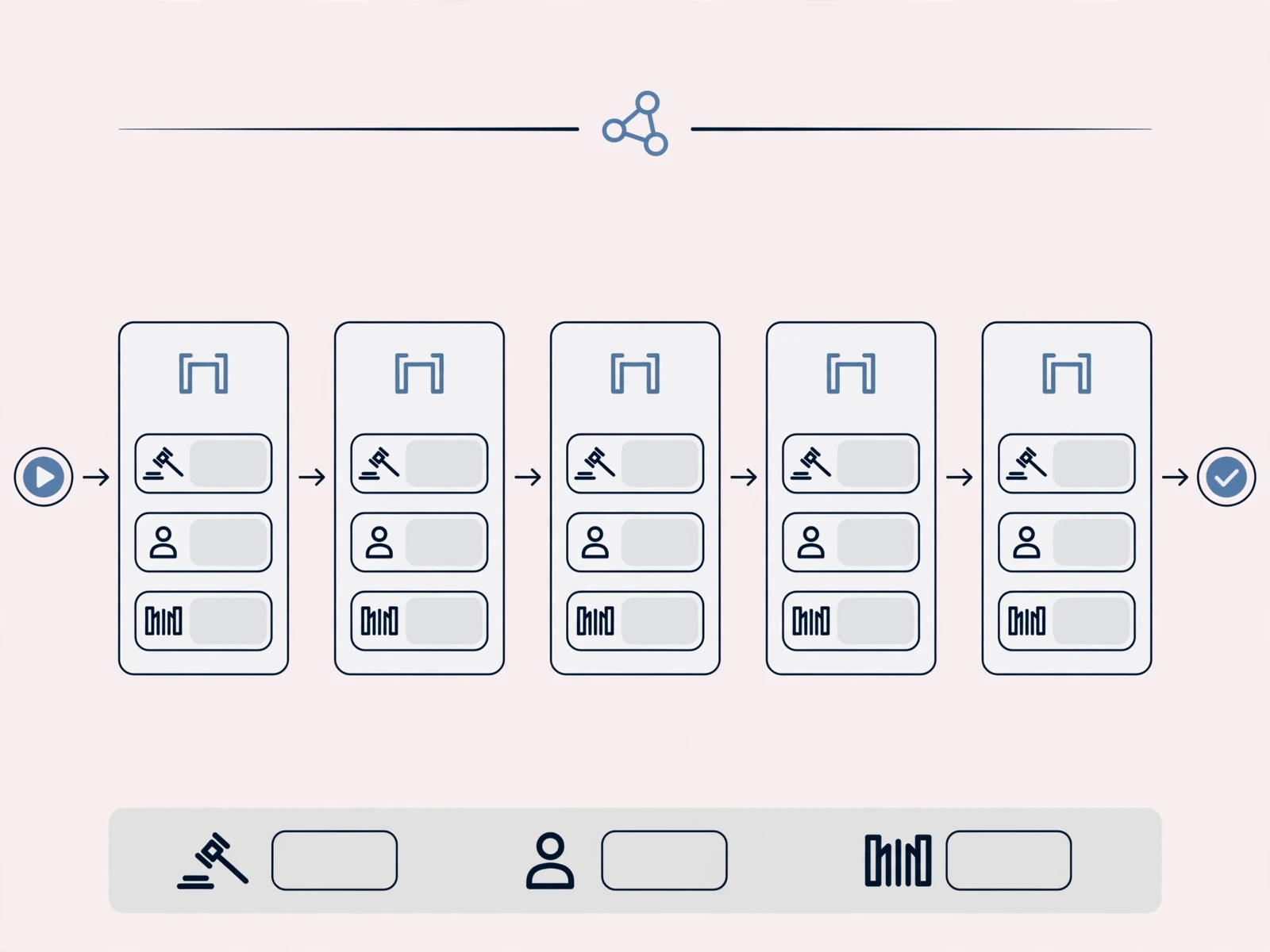
Business Outcome
Define the service, workforce or operational result the transformation is intended to change. Establish how the current position is measured, who owns the result and what evidence will matter after launch.
Operating-Model Change
Map the processes, roles, decision rights, training and exception handling that must change for the new technology to work. Approve those changes alongside the technical build rather than treating them as post-launch communications.
Decision Rights
Document which decisions belong to the executive sponsor, process owner, security and data specialists, finance and delivery leads. Specify escalation when teams disagree about requirements, controls or acceptable risk.
Adoption
Evaluate whether representative users can complete real tasks reliably, including those who need assistance. Plan support, training, fallback and transition capacity. Login counts and attended sessions are not evidence of successful adoption by themselves.
Data And Technology Dependencies
Identify data quality, permissions, integration, cybersecurity, resilience and supplier dependencies before each gate. Ask for evidence that the intended process works under normal, exception and failure conditions, with specialist sign-off where required.
Benefits And Governance
Maintain a benefits register owned by the receiving business and connect each benefit to a baseline, measure, operational intervention and review decision. The programme board should be able to pause or redesign an initiative when evidence contradicts the original case.
Practical Digital Transformation Governance Working Template
- Outcome: Which business result justifies this programme?
- Decision owner: Who approves process, technology and residual risk changes?
- Readiness: Which real task and failure tests must pass before launch?
- Dependencies: Which data, integration or workforce conditions are unresolved?
- Adoption: What evidence shows users can complete the intended work?
- Gate outcome: What evidence triggers go, redesign, pause or stop?
- Next action: Who owns the decision, and what evidence will be reviewed when?
Worked Example
A new digital service is technically ready but front-line teams still need a manual workaround to handle complex cases. The sponsor can defer the broad launch while the process owner addresses exception handling and validates support readiness. That is a governance decision about service risk, not an admission that the software team failed.
Common Mistakes to Avoid
- Treating platform launch as the same thing as realized business value.
- Giving every cross-functional decision to an undefined steering committee.
- Approving a gate from slide status alone without operational tests.
- Ignoring user assistance, privacy and failure recovery requirements.
- Closing benefits ownership when the project team disbands.
Questions Managers Should Ask
- What operating result must improve and who remains accountable after launch?
- Which role or procedure must change for the platform to deliver value?
- Who can approve a material security, service or budget exception?
- What would real users encounter if an integration failed?
- Which observation would cause a launch decision to be reconsidered?
Management Review Checklist
At each stage gate, provide the decision requested, outcome evidence, readiness tests, adoption risks, unresolved dependencies and recommended action. Require the named authority to record approval, conditions or deferral.
What to Review After Three Cycles
Review successive gate decisions and post-launch observations. Identify which readiness assumptions caused avoidable rework and update governance evidence requirements instead of merely adding another committee.
A 30-Day Application Plan
- Week 1: Define business outcomes, owners and decision boundaries.
- Week 2: Map operational change, integration and adoption dependencies.
- Week 3: Run realistic readiness cases and assess unresolved risks.
- Week 4: Hold a documented go/redesign/pause decision with a post-launch benefits owner.
Capability Maturity
Basic: milestones and decision owners are identified. Developing: operational readiness and risk are evidenced at gates. Mature: governance changes investment and delivery choices according to actual benefits and user outcomes.
For HR, L&D and Corporate Sponsors
Training should use realistic transformation decisions involving business, technology and control stakeholders. Participants should produce a decision-rights matrix, readiness evidence brief and sponsor gate recommendation rather than a software delivery report alone.
Related Courses in This Capability Cluster
A worked application scenario
An organization launches a digital service spanning operations, finance and customer support. The technology team can deliver the platform, but nobody owns changes to staff roles, service standards or customer communication. A governance board names one business sponsor, assigns decisions about process design and data permissions, and creates checkpoints tied to readiness evidence rather than calendar milestones alone. At each stage gate, it asks whether front-line teams can complete the new workflow without informal workarounds. Benefits tracking belongs to the operational owner after launch, not only to the project team.
The board should approve business change, not only a technology milestone
A digital transformation programme succeeds when the organization improves its operating outcomes, not when a new platform goes live. Start by identifying what customers and employees should be able to do more reliably: complete a request without a repeat call, receive an accurate decision or find the correct service owner. Give this outcome a business sponsor. Technology teams can own platform configuration and technical delivery, but the business must authorize process changes, service commitments and how exceptions will be managed.
Create clear decision boundaries between the executive sponsor, process owner, IT, information-security specialists, finance and people managers. A project can meet every technical deadline and still fail if nobody owns a handoff between teams. A useful governance charter makes unresolved decisions visible early and identifies who can authorize changes within policy and budget.
Worked case: the successful portal that failed customers
A company replaces several customer request channels with an online portal. Its project reports growing logins, stable availability and completion of technical acceptance testing. After launch, the service team still handles repeated questions because incomplete requests move into an unassigned manual queue. The apparent digital improvement has shifted work from one place to another. Management initially proposes more user training even though the fundamental problem is unclear operating ownership.
The business sponsor asks a cross-functional team to observe actual requests, including exceptions. They agree that support operations will own unfinished submissions, IT will validate the required notifications and the customer team will test whether people can obtain a complete answer. Finance checks the benefit model against extra support effort. The next launch gate uses evidence of real task completion rather than login numbers alone.
Business sponsor agrees what must improve.
Teams map roles, technology, data and exceptions.
Users demonstrate real end-to-end work.
Process owner verifies operational outcomes.
Ask for useful evidence at each approval gate
Before solution approval, confirm the actual business problem, affected users, required service levels and critical controls. Before pilot, define data access, responsibilities, training and fallback when the normal process fails. Before wider rollout, observe representative users completing routine and difficult cases, including those that need specialist advice. A green status should mean specific acceptance conditions were met, not simply that departments submitted reports.
| Decision | Required evidence | Owner |
|---|---|---|
| Approve operating design | Actual workflow and exception map | Business process owner |
| Authorize pilot | Access controls, support and test cases | Delegated sponsor and specialists |
| Expand rollout | Observed completion, safety and service outcomes | Executive sponsor |
Benefits belong to the operating owner after launch
Installation, attendance and app usage are useful indicators but do not establish business value. Review whether tasks are completed correctly, whether support effort fell or moved elsewhere, and whether service quality improved for different case types. Compare results with a credible baseline and acknowledge changes in demand or reporting definitions. A transformation may require additional process redesign or coaching before benefits are realized.
Keep an accountable business owner, a route for reporting errors, and a practical cadence for revisiting the design. If the system fails to deliver its intended result, management should be able to decide whether to repair the operating process, change the technology, limit scope or stop further investment. Governance is valuable when it enables those decisions while there is still time to act.
A sponsor’s go/no-go decision under uncertainty
Imagine that a customer portal passes the technical release tests but still fails to allocate ownership of an incomplete request. The sponsor must decide whether to postpone full rollout, authorize a bounded pilot with human support or proceed without additional safeguards. Each alternative has a different customer and operational consequence. The business owner should describe the legitimate service standard; technology specialists should verify permissions and system behavior; finance should check whether extra manual processing invalidates the expected savings.
For a limited pilot, record which customer cases are included, who will handle exceptions, how service quality will be monitored and which finding requires rollback. A conditional launch is not a way to bypass required controls. It is a deliberate, documented approach to obtaining evidence where residual uncertainty is acceptable and authorized. If a mandatory safety, privacy or contractual requirement is unmet, the appropriate qualified owner must resolve it before the process continues.
Use a concise decision record at each stage gate
The gate paper should state the business objective, relevant test cases, source evidence, unverified assumptions, decision owner and options. List what was changed to the operating procedure, not merely which technology components were installed. Ask how an employee or customer can recover when the ordinary workflow fails. Identify the named owner of the new process and the date for comparing outcomes with the original baseline.
At post-launch review, look for end-to-end completion, quality, repeat work and support effort. A project can be technically finished but commercially disappointing. The benefit owner should be able to recommend further improvement, a restricted rollout or stopping investment based on what the work actually demonstrates. That is governance with practical consequence.
Where to Go Next
The Digital Transformation Leadership course develops this capability through live instructor-led practice, scenarios and workplace application. Organizations building a wider pathway can also review TheSkillGrid Training Bundles and Corporate Academies.
Govern transformation by demonstrated business readiness and outcomes, not by the completeness of the technology project plan.
Digital Transformation Governance for Teams
A private executive or programme cohort can clarify ownership, stage-gate decisions, risk escalation and the handoff from digital initiatives to operating teams.
Check whether digital governance changes outcomes: The digital adoption metrics guide covers actual use and results rather than deployment counts alone. The transformation roadmap maps the operating changes that governance must support.
Develop this capability in your organization