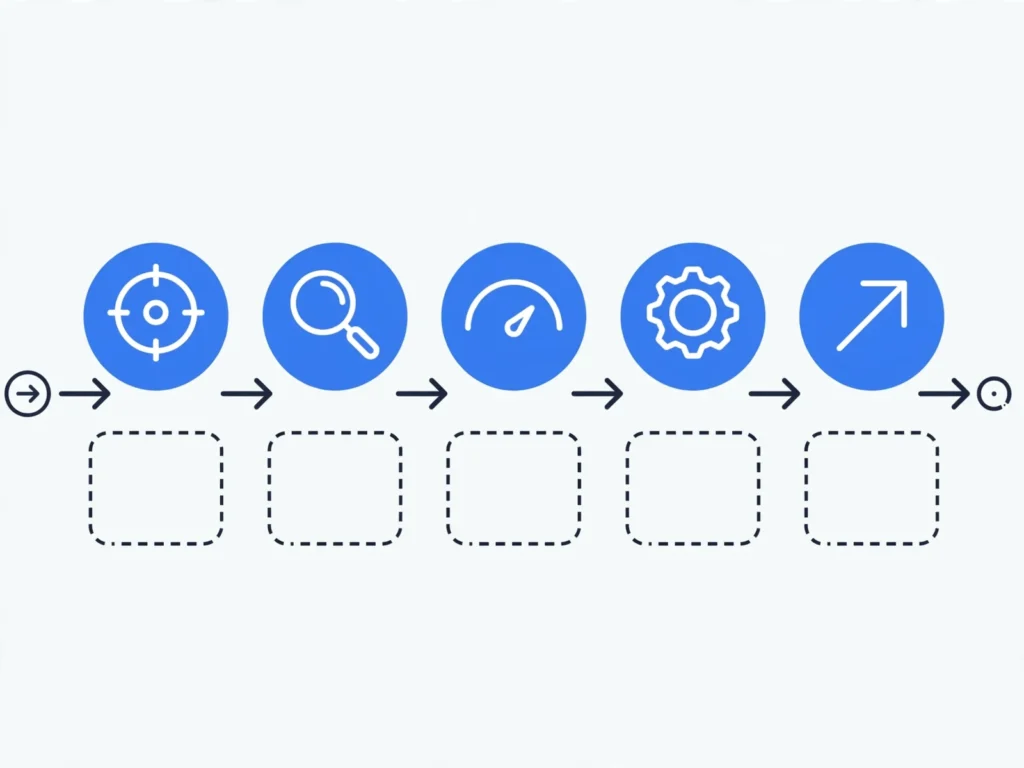
Enterprise risk management is useful when it changes decisions. A risk register by itself does not manage anything. Leaders need a process that connects objectives, appetite, ownership, controls, evidence and escalation.
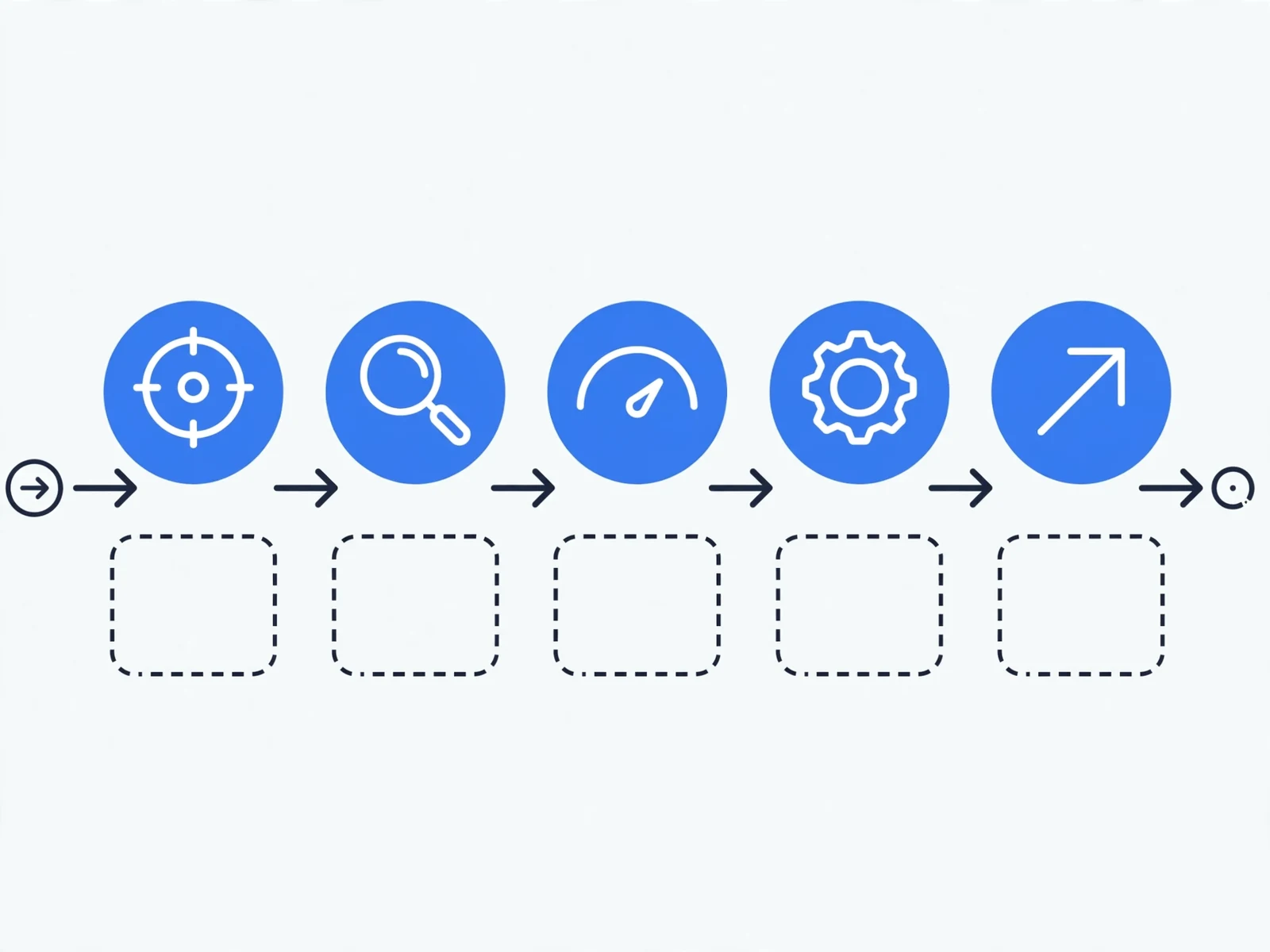
Start With Objectives
Risk only makes sense relative to something the organization is trying to achieve or protect. Begin with strategic, operational, financial, customer, compliance and people objectives. Ask what uncertainty could materially change those outcomes.
Define Risk Appetite
Risk appetite describes the amount and type of risk the organization is willing to accept in pursuit of objectives. It should help managers make choices, not remain a statement written only for governance documents.
Identify Risks as Cause, Event and Consequence
Write risks clearly. A useful structure is: because of a cause, an uncertain event may occur, leading to a consequence. This is stronger than vague entries such as cyber risk or supplier risk because it points toward ownership and controls.
Assess Inherent Exposure
Consider the exposure before current controls. This helps leaders understand the underlying risk and how much the organization depends on its control environment.
Map Existing Controls
Identify the controls that prevent, detect or respond to the risk. Record who owns them and what evidence shows they operate. Controls should be specific enough to evaluate, not labels such as policy in place.
Assess Residual Risk
Residual risk is the exposure that remains after considering controls. Compare it with appetite or tolerance. A risk can be well controlled and still remain too high, or poorly controlled even if no incident has happened yet.
Assign Risk Ownership
The risk owner should have enough authority to influence the exposure. Central risk teams can facilitate and challenge, but business leaders usually need to own the risks created by their decisions.
Define Treatment Options
Responses may include reducing, avoiding, transferring, accepting or exploiting risk. The choice should reflect cost, feasibility, appetite and the strategic value connected to the activity.
Use Key Risk Indicators
Indicators should provide early evidence that exposure is changing. Examples may include supplier deterioration, liquidity pressure, control failures, employee turnover, security events or capacity constraints. A good indicator has a threshold tied to action.
Create Escalation Triggers
Managers should know when a risk can be handled locally and when it must move upward. Triggers may involve appetite breaches, control failure, significant incidents, rapid trend deterioration or decisions that exceed delegated authority.
Review Risk With Business Decisions
Integrate risk into investment, procurement, projects, strategy, operations and performance reviews. ERM is stronger when leaders consider risk while making choices rather than reviewing a separate register later.
Learn From Events and Near Misses
Incidents, audit findings and near misses should update risk assumptions, controls and indicators. A static risk register becomes less useful as the operating environment changes.
Practical Working Template
- Objective
- Risk statement
- Inherent exposure
- Risk appetite/tolerance
- Key controls
- Control owner
- Residual exposure
- Treatment
- Risk owner
- Key indicator
- Escalation trigger
- Review date
Worked Example
A business depends heavily on one technology provider. The risk is not simply vendor risk. A clearer statement may be: because a critical customer process depends on one external platform, an extended outage could interrupt service and create customer and regulatory impact. That wording points to continuity, contractual, monitoring and concentration controls and clarifies why the exposure may need senior review.
Common Mistakes to Avoid
- Managing risk as a reporting exercise
- Assigning every risk to the risk team
- Using vague risk descriptions
- Rating residual risk without understanding control effectiveness
- Creating indicators with no action threshold
- Escalating everything or nothing
Questions Managers Should Ask
- Which objective does this risk threaten?
- Is the exposure inside appetite?
- What evidence shows the controls work?
- What would trigger escalation?
- What decision should change because of this risk?
How to Apply This Over 30 Days
- Week 1: map the current process, exposure or decision and identify the biggest uncertainty.
- Week 2: apply the framework to one live case and capture the evidence.
- Week 3: review the result with the people who own related decisions or dependencies.
- Week 4: decide what should become a repeatable management standard, trigger or review routine.
Build a Risk Taxonomy That Helps Decisions
A simple taxonomy can help the organization compare similar risks across functions. Categories might include strategic, operational, financial, people, technology, supplier, legal or compliance exposure. The taxonomy should support aggregation and ownership, not become so detailed that managers spend more time classifying risk than managing it.
Use Control Effectiveness Evidence
Do not assume a control works because it exists. Review testing results, exceptions, incidents, audit findings, overdue actions or performance indicators. Residual-risk assessment becomes more credible when control effectiveness is supported by evidence rather than confidence alone.
Create an Escalation Ladder
Define what the team can handle locally, what belongs with a functional leader, what must go to an executive forum and what requires board-level attention. Use exposure, appetite breach, regulatory consequence, customer impact and speed of deterioration to shape the ladder. This keeps serious issues visible without flooding senior forums with routine risks.
Connect Risk to Opportunity
ERM should not only reduce downside. Some strategic choices create uncertainty that may be worth accepting because the potential value is high. A useful risk conversation compares upside, downside, controls, options and appetite so leaders can take informed risk rather than defaulting to avoidance.
Worked Example: Growth Creates a New Concentration Risk
A business grows quickly by winning one very large customer. Revenue improves, but the organization becomes dependent on one relationship for a material share of cash flow. The risk is not that growth is bad. The ERM process should make the concentration visible, compare it with appetite, examine customer credit and renewal exposure, and decide whether diversification, limits or contingency are needed.
Use Risk Reviews to Make Trade-Offs Explicit
A useful risk review asks which exposures are increasing, which controls are weakening, which opportunities justify taking more risk and which issues need resources or executive decisions. The review should not spend equal time on every register entry. Prioritize material changes, appetite pressure and risks where management action can still alter the outcome.
Final Management Checklist
- Is the business purpose clear?
- Are the assumptions and evidence visible?
- Does the process distinguish routine issues from material exceptions?
- Is there one accountable owner for the next action?
- Is there a trigger for escalation or review?
- Will the team know what changed at the next cycle?
Risk management becomes stronger when leaders can explain not only what the risk score is, but which business decision the assessment is meant to improve and what evidence would change that decision.
Follow a business objective through the real risk dependencies
Enterprise risk management should begin with decisions that protect the organization’s objectives, rather than a list of generic labels. Identify the key service or strategic outcome, who is responsible for it and which technology, people, suppliers, facilities, data and financial commitments make it possible. A risk becomes actionable when leaders can describe how those dependencies might fail and the consequence of the failure. Asking each department for its ten most worrying topics often produces overlapping lists without revealing shared points of vulnerability.
For a critical customer platform, trace who hosts it, which teams administer access, what backups can actually restore and how business operations would continue while it is unavailable. An assurance certificate or contract clause may be useful evidence but does not prove an untested recovery route will work. Mark what is verified, assumed or unknown. Bring the responsible technical and operational leaders together to challenge the map.
Worked example: a shared technology failure becomes a board decision
A service company uses one hosted platform for billing, customer support and operational reporting. Each team has a basic continuity checklist, but none has agreed which customer commitments take priority if the shared system fails. A simulated outage reveals that manual billing is possible for straightforward accounts but not for complex adjustments. Customer support cannot access the same case history that operations needs. The situation exposes a cross-functional problem that individual departmental risk assessments missed.
Leadership evaluates the likely service consequences, feasible interim controls and cost of developing alternative capabilities. It distinguishes a short-term operational response from a strategic decision about investment, customer commitments and acceptable residual exposure. The executive risk committee is asked to authorize one of several defensible options. The report presents the evidence, unresolved assumptions and named owner instead of simply coloring the platform risk red.
What essential business result must continue?
What could interrupt or alter the outcome?
Reduce, transfer, avoid or accept exposure appropriately.
Who approves, acts and reviews evidence?
Make the risk register show decisions and evidence
Each material entry should connect the objective, exposure, evidence, existing controls, response options, accountable owner and conditions for escalation. Avoid reducing everything to a multiplication of two subjective scores. A numeric or colored summary can support communication, but it should not hide a single severe failure mode or an unknown assumption. When a threshold is close to being breached, the record should specify what management will actually do.
| Exposure | Evidence required | Management action |
|---|---|---|
| Shared technology outage | Recovery test and service mapping | Continuity plan and executive decision |
| Supplier concentration | Upstream capacity and alternatives | Qualification, buffer or contingency |
| Risk appetite exception | Boundary and likely consequence | Authorized acceptance and monitoring |
Close the risk management loop
After management acts, revisit the original failure mechanism. Did the supplier alternative become genuinely available? Did a recovery exercise work under realistic conditions? Did access-control changes reduce the exposure without preventing legitimate work? Share relevant learning across departments. Review the risk decision when the business launches a new service, acquires a company, changes suppliers or experiences a control incident.
Enterprise risk management is effective when decisions become better informed and risks are owned at the right level. A refreshed register alone is not evidence that the organization has become more resilient.
Where to Go Next
The Enterprise Risk Management for Managers and Leaders develops this capability through live instructor-led practice and work application. Related programs include Corporate Governance Essentials and Business Continuity and Crisis Management.
Use the framework on a live decision, learn from the result, and then build the repeatable standard.
Clarify risk decisions: Review risk appetite versus tolerance to distinguish board-level boundaries from operational thresholds. The crisis management team guide provides a practical example of escalation when operating conditions deteriorate.
Develop a Practical Enterprise Risk Management Cohort
For a management team reviewing risk identification, ownership, treatment and escalation, outline the operational decisions and controls you want participants to practise. Training content and duration can then be assessed against your organization’s needs.
Develop this capability in your organization