
Strategic sourcing begins with a defined business need and realistic supply options, not a rushed tender. A supplier award can fail when service requirements, evaluation trade-offs and transition work are left until after the price is agreed.
Connect demand, market conditions, sourcing route, transparent criteria, commercial negotiation and operational handover. Each stage should produce evidence that informs the next decision and preserves legitimate controls.
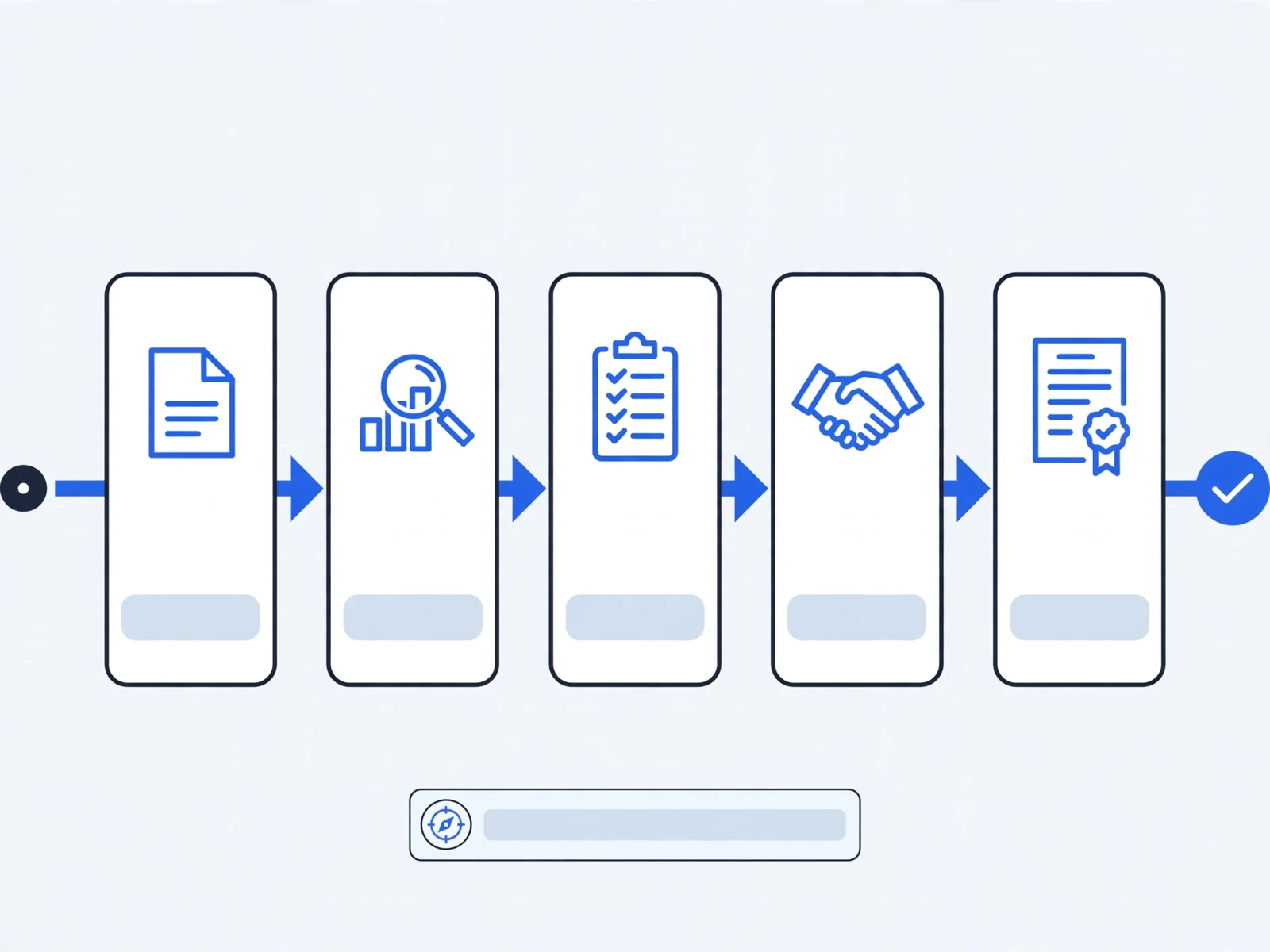
Business Demand
Define the service, users, volumes, quality requirements and operational constraints. Distinguish essential outcomes from historical specifications that can be reconsidered.
Supplier Market Structure
Assess credible supplier capacity, dependencies, alternatives and switching barriers. Avoid assuming that a list of vendor names proves a competitive market.
Sourcing Route
Choose an appropriate market approach, including competition, qualification, negotiation or alternative supply arrangements, based on risk, value, timing and actual capacity.
Evaluation Criteria
Agree weighted criteria and evidence before reviewing proposals. Assess service capability, risk, implementation and total cost, not only quoted price. Document exceptions and conflicts of interest.
Negotiation Leverage
Prepare negotiation priorities, fallback options, approval limits and trades as a complete package. Protect service acceptance, remedies and transition obligations.
Award And Transition
Reconcile the decision record, approved contract, implementation plan and operational owners before supplier handover. Test whether responsibilities and performance reviews can actually be delivered.
Practical Strategic Sourcing Process Working Template
- 1. What business outcome and scope must be purchased?
- 2. Which suppliers are demonstrably capable?
- 3. Which sourcing route fits the market and risk?
- 4. What criteria and evidence govern fair selection?
- 5. What trade and approval limits apply?
- 6. Who owns transition and supplier performance?
- Next decision: Who owns the review and what evidence changes it?
Worked Example
A buyer requests proposals for specialist maintenance. A cheap quote omits critical response coverage and requires expensive onboarding. The sourcing team compares tested capability, contract obligations and transition risk before selecting an award.
Common Mistakes to Avoid
- Tendering before the real business need is defined.
- Assuming supplier count equals qualified competition.
- Changing criteria after seeing preferred bids.
- Negotiating headline price without operational terms.
- Awarding a contract without an owned implementation plan.
Questions Managers Should Ask
- What evidence supports the chosen sourcing route?
- Can the buyer verify all mandatory service requirements?
- Have total cost and switching risk been considered?
- Who can approve exceptions and trade-offs?
Management Review Checklist
Review demand scope, market evidence, approved criteria, proposal assessments, negotiation records, residual risk and readiness for transition before authorizing award.
Decision Quality Test
Would the same supplier win if service failure and transition cost were fully visible?
What to Review After Three Cycles
Compare actual cases over several cycles, test whether the original decision assumptions still hold, and improve the practice where evidence requires. Keep sourcing decisions and supplier performance in existing procurement governance, with reviews at material milestones.
Make the Method Part of Normal Work
Keep sourcing decisions and supplier performance in existing procurement governance, with reviews at material milestones.
A 30-Day Application Plan
- Week 1: Validate business demand and stakeholder requirements.
- Week 2: Assess supplier capability and sourcing alternatives.
- Week 3: Evaluate evidence and negotiate the complete package.
- Week 4: Approve a traceable award and transition plan.
Capability Maturity
Basic: sourcing steps and roles are clear. Developing: decisions use credible market and total-cost evidence. Mature: awards lead to measurable operational performance and learning.
For HR, L&D and Corporate Sponsors
Sourcing training should use anonymized supplier bids and require participants to justify criteria, award, risk and handover rather than selecting the lowest quote.
Implementation Boundary
For strategic sourcing process, standardize only the definitions, evidence, ownership and escalation rules where inconsistency creates real risk or confusion. Leave professional judgement open where circumstances differ materially. The objective is reliable decisions without forcing every case through an identical script.
Evidence to Bring to the Next Review
At the next strategic sourcing process review, bring the actual work product, the evidence that changed the team’s view, the decision that followed and the assumption that still matters most. This makes follow-up useful for learning and accountability instead of repeating a status summary.
Related Courses in This Capability Cluster
Applied example for management teams
A public organization needs a multi-year maintenance provider. The sourcing lead first checks expected service volumes, failure consequences and available supplier capacity. Procurement, operations and finance agree requirements and scoring criteria before releasing an invitation. Evaluation compares not only price but mobilization, resilience, access to specialist staff and contractual risks. Negotiations clarify what will be accepted and how performance will be evidenced. After award, the transition owner monitors service continuity rather than treating contract signature as the end of sourcing.
Move from sourcing strategy into an accountable procurement pathway
Before drafting a request for quotations or tender, establish the business requirement, supplier-market conditions, choice of sourcing method and permitted evaluation criteria. The procurement category strategy guide covers the earlier analysis. The GCC procurement training pathway connects strategic sourcing with negotiation and contract administration. Public-sector buyers must use their applicable statutory tender requirements instead of treating commercial guidance as a legal process.
For an organizational cohort, request a private instructor-led training proposal with the participant roles, approximate group size and capability objective. Dates, trainers and programme terms are confirmed during scoping.
Where to Go Next
The Strategic Sourcing and Supplier Market Analysis course develops this capability through live instructor-led practice and workplace application. For broader pathways, see Training Bundles and Corporate Academies.
Source the outcome the business needs, not simply the cheapest proposal on paper.
Develop this capability in your organization