
Business impact analysis asks what happens to essential work when a disruption lasts longer than the organization can tolerate. It should guide continuity priorities and practical recovery choices, not produce a generic list of threats.
Start with services and consequences over time. Identify dependencies on people, applications, facilities, suppliers and data, then agree impact-based recovery priorities with accountable process owners. Distinguish an evidence-based tolerance from a technology team’s preferred recovery target.
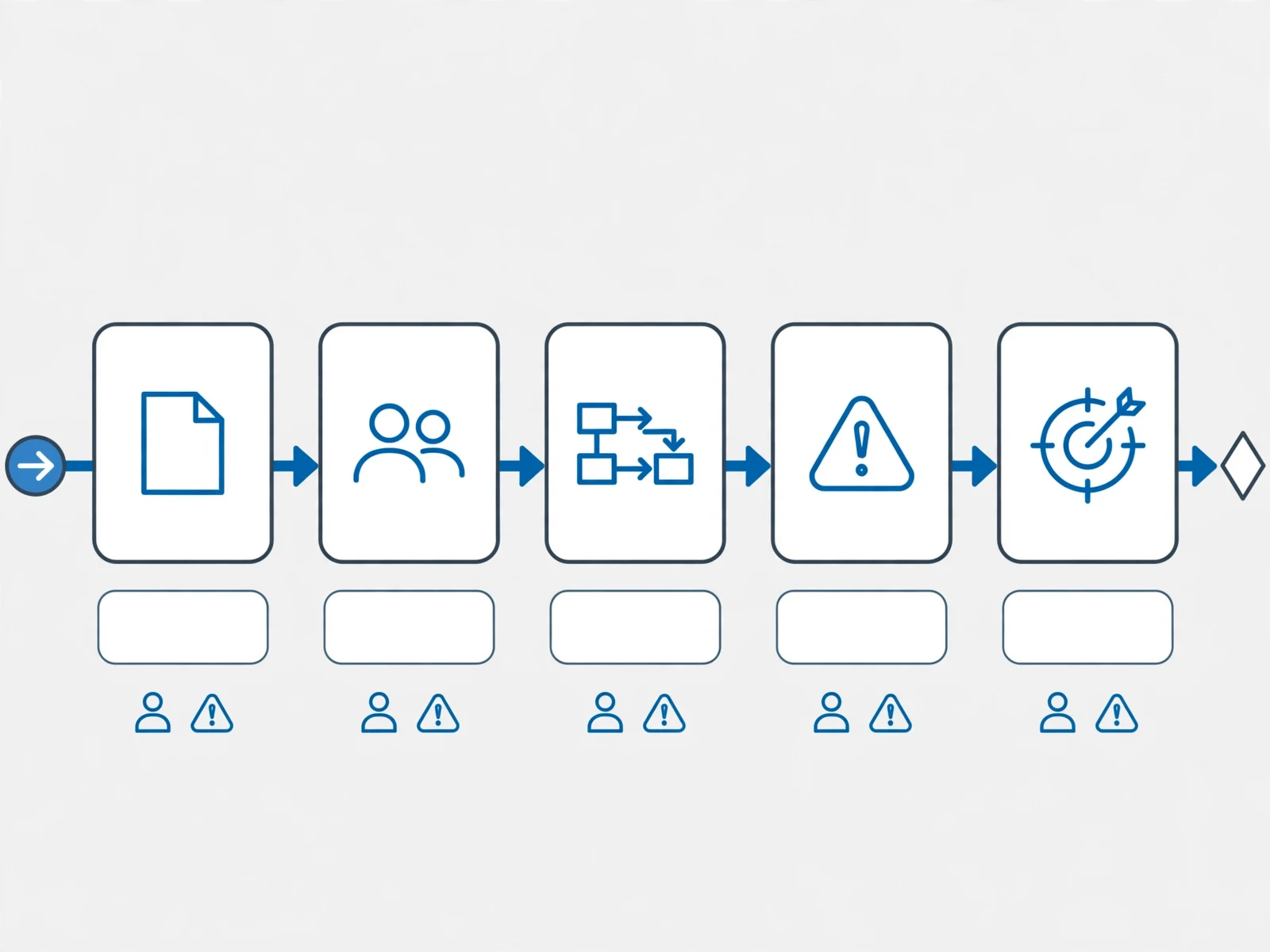
Critical Services
Define the products, services and obligations whose interruption creates material harm. Include vulnerable users, safety, contractual duties and regulatory concerns where relevant. Confirm the responsible business owner for each service.
Business Impact Over Time
Examine how the consequence changes as disruption continues: backlog, service failure, safety exposure, financial loss or reputational consequences. Use ranges and documented assumptions when data are uncertain, and avoid invented universal downtime cost figures.
People Systems Supplier Dependencies
Map the minimum capabilities each essential service requires, including trained staff, approvals, data, networks, premises, specialized equipment and upstream suppliers. Check common dependencies that could disable several recovery routes simultaneously.
Continuity Strategies
Compare feasible alternatives such as manual processing, alternate locations, supplier substitution or staged service reduction. Assess their capacity, safeguards, costs and lead times before assuming a backup location or server solves the business problem.
Crisis Roles And Communication
Identify who declares a disruption, who authorizes prioritization and who communicates confirmed status to staff, customers and partners. Maintain consistent source information and separate approved facts from uncertain restoration estimates.
Recovery And Exercises
Translate the agreed impact tolerance into tested recovery requirements and rehearsal scenarios. Observe actual exercise performance, document failed dependencies and revise plans when business processes or suppliers change.
Practical Business Impact Analysis Working Template
- Essential service: What cannot be interrupted without significant consequence?
- Impact progression: What harm develops as time passes, and who verifies it?
- Dependency: Which people, data, systems and suppliers are essential?
- Tolerance: What interruption length can the business justify?
- Continuity option: Which alternative really meets the service need and its controls?
- Exercise evidence: What test demonstrates recovery capability, not just documentation?
- Next action: Who owns the next decision and when will evidence be reviewed?
Worked Example
A distributor considers a warehouse outage. Operations distinguishes urgent medical or contractual deliveries from orders that can wait, assesses which data and transport providers are needed, and tests limited fulfilment at another location. The outcome is a prioritized and rehearsed continuity plan rather than an unsourced estimate of disruption cost.
Common Mistakes to Avoid
- Starting with IT recovery targets before business impacts are understood.
- Giving all activities the same recovery priority.
- Ignoring supplier, identity, staffing and data dependencies.
- Treating a proposed alternate site as tested continuity capacity.
- Recording speculative impact costs as if they were observed losses.
Questions Managers Should Ask
- Which services deteriorate fastest and what evidence supports that judgment?
- Who may approve degraded service or an alternate process?
- Where do multiple critical services share one vulnerable dependency?
- How much work can the proposed fallback actually sustain?
- Which exercise result would force a revision of the recovery plan?
Management Review Checklist
Present essential services, business owner, time-dependent impacts, interdependencies, justified tolerances and tested recovery options. Record conflicts over resources and decisions needing executive approval.
What to Review After Three Cycles
Use successive exercises and real incidents to compare assumed recovery capability with observed performance. Revise impacts and alternatives when volumes, suppliers, processes or locations change.
A 30-Day Application Plan
- Week 1: Identify essential services and disruption consequences with business owners.
- Week 2: Map shared dependencies and defensible tolerances.
- Week 3: Assess fallback strategies and run a focused recovery scenario.
- Week 4: Review exercise evidence, gaps and owners for corrective action.
Capability Maturity
Basic: critical services and owners are identified. Developing: impact tolerances and dependencies inform continuity options. Mature: exercises and incidents continually reshape workable recovery plans.
For HR, L&D and Corporate Sponsors
Corporate continuity programmes should use controlled, hypothetical disruption exercises alongside organization-approved service data. Participants should produce an impact register and testable recovery decision, not invented losses or resilience ratings.
Decision Quality Test
Can the business explain its recovery priority in terms of impact and demonstrate that the proposed alternative works under realistic conditions?
Make the Method Part of Normal Work
Maintain service-impact and dependency records within existing continuity governance, with changes triggered by major suppliers, processes or exercise failures.
Related Courses in This Capability Cluster
Detailed workplace application
A distribution business assesses what happens if its principal warehouse is unavailable. The team identifies order types that cannot wait, how harm grows after several hours, which applications and suppliers are required and who can authorize alternatives. It tests a temporary fulfillment arrangement rather than assuming backup storage is sufficient. Finance, IT and operations agree recovery priorities and record interdependencies. The analysis drives practical continuity choices such as inventory placement and communication, rather than a generic risk score.
Where to Go Next
The Business Continuity and Crisis Management course develops this capability through live instructor-led practice and workplace application. For broader pathways, see Training Bundles and Corporate Academies.
A useful impact analysis identifies which services to protect, why they matter over time and which recovery choices have been tested.
Business Impact Analysis: Training for Your Team
If your continuity team needs to strengthen impact assessment, dependencies and recovery priorities, request a private capability discussion.
Use BIA results in governance: The crisis team roles guide helps translate priorities into responsibilities under pressure; the enterprise risk management process helps relate continuity priorities to wider risk decisions.
Develop this capability in your organization