Performance problems become harder to solve when managers wait for the annual review to name them.
A performance improvement conversation should happen when there is enough evidence to discuss a pattern and enough time for the employee to change it.
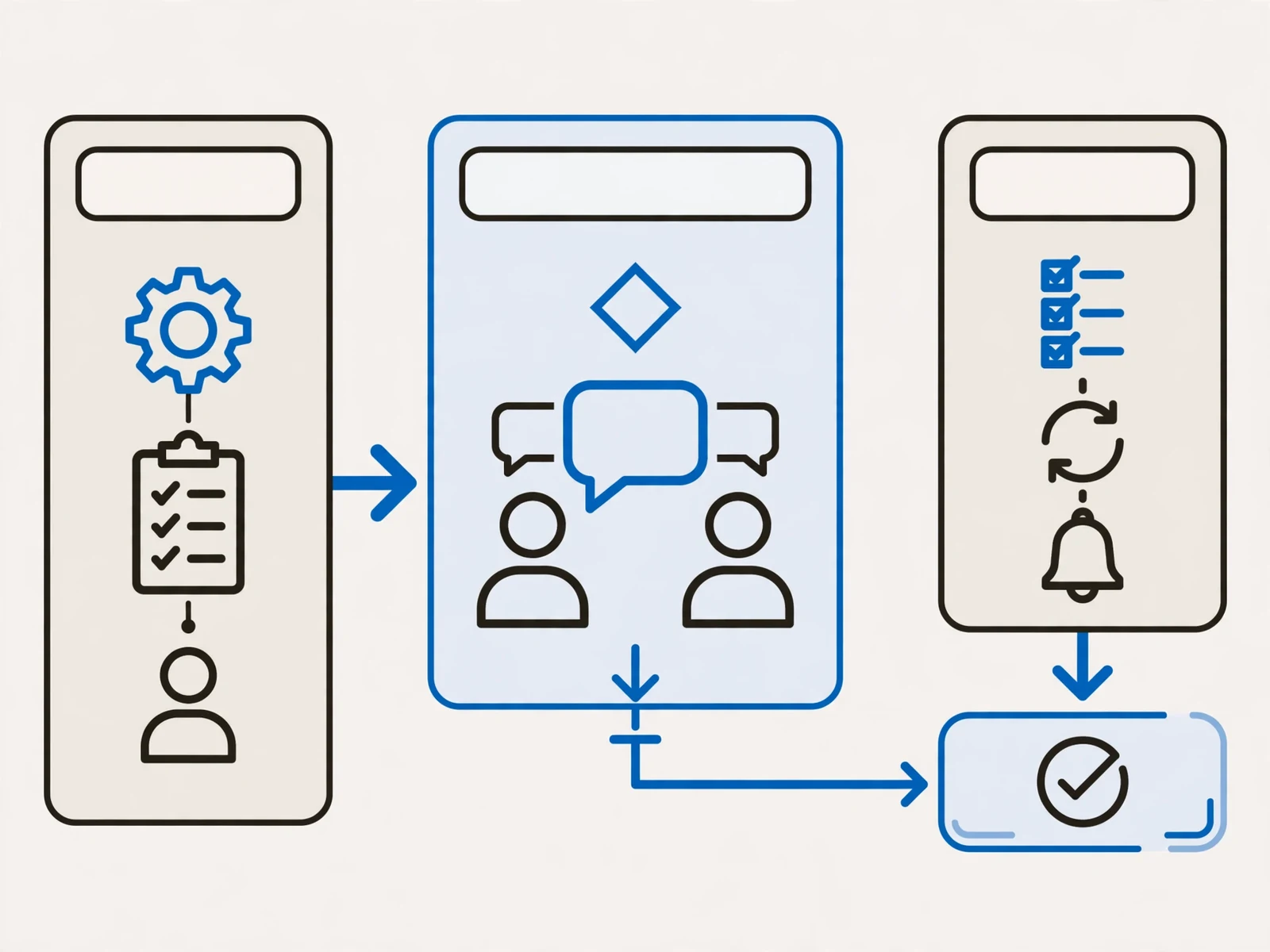
Prepare the Evidence
Use specific examples.
Weak:
“Your performance has not been good enough.”
Stronger:
“Three customer proposals were submitted after the agreed deadline this month, and two contained pricing errors that required rework.”
Clarify the Standard
The employee needs to know what good performance looks like.
Ask yourself:
- Was the expectation clear?
- Was the deadline realistic?
- Was the employee trained?
- Did the system create avoidable obstacles?
- Has the standard been applied consistently?
Open the Conversation Directly
Try:
“I want to discuss the repeated proposal delays and errors because the pattern is now affecting customer response time and team rework.”
Invite the Employee’s View
Ask:
- What is your view of what is happening?
- What is making the standard difficult to meet?
- Is there a capability, workload, or process issue I am missing?
Listen carefully. The explanation may affect the solution.
Diagnose the Cause
Performance issues can come from different sources.
Capability
The person does not yet know how to perform the task at the required standard.
Clarity
The expectation, ownership, or priority is unclear.
Capacity
The workload or resources make the standard unrealistic.
Motivation or commitment
The person understands the requirement but is not following through.
System problem
The process, tool, or dependency creates repeated failure.
Managers should not prescribe training for every problem or assume attitude is the cause before checking the system.
Agree the Required Improvement
Make the expected change specific.
For example:
- proposal submitted by Tuesday noon;
- pricing checked against the approved rate sheet;
- risk escalated at least one working day before deadline;
- weekly quality review for the next month.
Define Support
Support may include:
- training;
- job aids;
- coaching;
- temporary review;
- better tools;
- priority clarification;
- removal of a process blocker.
Support should improve the employee’s ability to meet the standard, not remove their accountability for it.
Set a Review Point
Do not end with:
“Let’s see how it goes.”
Agree when you will review progress and what evidence will be used.
Document Appropriately
Follow organizational policy. For material performance concerns, managers may need to record the issue, expectations, support, and follow-up.
Formal performance processes vary by organization and jurisdiction. Managers should use HR or legal guidance where required.
Do Not Overload the Conversation
Focus on the most important performance issue. A long list of every frustration the manager has accumulated can make improvement harder.
Recognize Improvement
If the employee changes the behaviour, say so.
Performance management should not become a system where only failure receives attention.
Escalate When Improvement Does Not Happen
If expectations were clear, support was reasonable, and the required change does not occur, the manager should follow the organization’s next formal step.
Do not restart the same informal conversation indefinitely.
A Simple Conversation Structure
- Evidence
- Impact
- Expected standard
- Employee perspective
- Root cause
- Required improvement
- Support
- Review date
Do Not Confuse One Mistake With a Performance Pattern
Not every error requires a formal improvement conversation.
Consider:
- severity;
- frequency;
- impact;
- whether the expectation was clear;
- whether the employee has already been coached;
- whether the mistake indicates a broader risk.
Managers should respond proportionately.
Separate Performance From Conduct
Performance is generally about whether work meets the required standard. Conduct is about behaviour and may involve a different policy or process.
If the issue involves serious misconduct, harassment, dishonesty, safety, or other formal concerns, managers should follow the organization’s policy rather than trying to solve everything through informal coaching.
Use Questions That Diagnose Rather Than Accuse
Examples:
- What is making this result difficult to achieve?
- What part of the process is unclear?
- Where do you feel least confident?
- What support have you already tried to use?
- What do you think needs to change?
These questions help the manager distinguish capability, clarity, motivation, and system problems.
Make the Improvement Period Realistic
Some behaviours can change immediately. Some skills require time and practice.
A deadline should reflect the nature of the gap.
For a missed reporting deadline, change may be visible next week. For a complex technical capability, the employee may need a structured development plan over several months.
Check Your Own Management Contribution
Managers should ask whether they contributed to the problem through unclear expectations, inconsistent priorities, delayed feedback, poor delegation, or lack of support.
Taking responsibility for your part does not remove the employee’s accountability. It improves the quality of the solution.
Use a Written Summary When the Issue Is Material
After the conversation, a short summary can record:
- the issue;
- the expected standard;
- the agreed actions;
- support;
- review date.
This reduces ambiguity and gives both sides the same record.
Use the Same Standard After the Conversation
Managers weaken performance management when expectations change from one week to the next or depend on how frustrated they feel.
Once the required standard is clear, apply it consistently. If priorities or resources change, update the expectation explicitly rather than silently judging the employee against an old agreement.
Do Not Turn Improvement Into Constant Surveillance
Closer follow-up can be appropriate for a period, but the goal is to restore reliable performance, not create permanent dependence on manager checking.
As performance stabilizes, move back toward normal management rhythms and ordinary accountability.
Where to Go Next
The Performance Management and Employee Engagement course develops goals, feedback, one-to-ones, underperformance, recognition, and manager accountability. New managers can connect this to Effective Leadership Skills for New Managers.
A performance conversation should make the gap and the path forward clearer. Waiting rarely makes either easier.
Develop this capability in your organization