
Executive presence is easier to develop when it is translated from a vague label into observable behaviour.
You do not need to become louder, more extroverted, or more polished than your role requires. You do need behaviours that help other people trust your judgement when the stakes are higher.
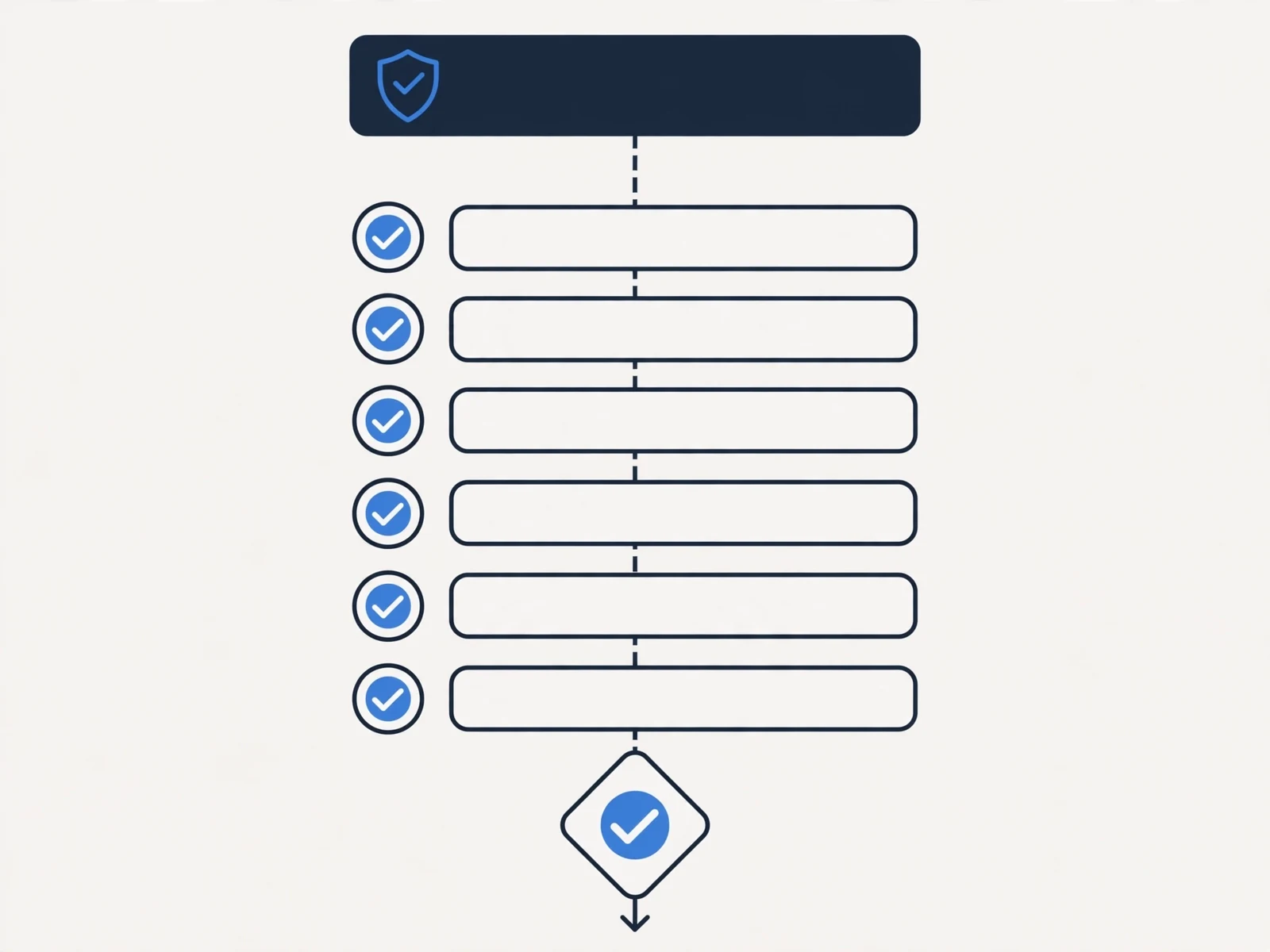
1. You Lead With the Point
You make the issue, recommendation, or decision clear before adding background.
2. You Know What You Are Asking For
You do not finish a presentation with “any thoughts?” when a decision is required.
3. You Separate Fact From Judgement
You can say what is known, what is assumed, and what recommendation you are making.
4. You Stay Composed Under Challenge
You do not interpret every difficult question as a personal attack.
5. You Can Say “I Don’t Know”
You name uncertainty accurately and commit to the right next step rather than inventing confidence.
6. You Use Fewer Unnecessary Qualifiers
Your language reflects the actual strength of your judgement.
7. You Listen for the Decision Behind the Question
You notice when a stakeholder is really asking about cost, risk, timing, accountability, or confidence.
8. You Challenge Constructively
You can disagree with senior colleagues while keeping the focus on the issue and consequences.
9. You Communicate Bad News Early
You do not wait for certainty when a material risk is emerging.
10. You Manage Detail
You understand the detail but do not force senior audiences to process all of it before they can understand the recommendation.
11. You Close the Loop
Your commitments are reliable. People do not have to chase you for follow-up.
12. You Make Other People Better in the Room
Presence is not domination. Strong leaders ask useful questions, create clarity, and help the group make better decisions.
A Self-Assessment
Score each behaviour from 1 to 5 based on evidence from the last month. Then choose only two behaviours to work on first.
Trying to improve twelve things at once usually produces no visible change.
Choose a Real Situation for Practice
Executive presence develops faster when practice is attached to a real event:
- a steering committee;
- a board update;
- a client presentation;
- a budget review;
- a difficult recommendation;
- a senior leadership meeting.
13. You Distinguish Urgency From Anxiety
Leaders create unnecessary pressure when every issue is communicated as a crisis.
Credibility grows when you can say:
- this is urgent and requires action now;
- this is important but can wait until the scheduled decision;
- this is uncertain and needs monitoring;
- this is noise and does not require leadership attention.
14. You Can Hold a Boundary
Leadership presence becomes visible when priorities conflict.
You can say no, renegotiate scope, or ask what should move if new work is added.
The key is to connect the boundary to the work rather than framing it as personal reluctance.
15. You Create Clear Next Steps
Strong communication does not end with a good discussion.
People leave knowing:
- what was decided;
- who owns the action;
- when it is due;
- what remains unresolved.
16. You Recover Well After a Mistake
Executive presence is not perfection.
When you make an error, correct it directly. Explain the implication. State the action. Avoid spending more energy protecting your image than fixing the issue.
17. You Adapt Without Becoming Inconsistent
Different audiences need different levels of detail and different communication styles. Adaptation is useful. Losing your principles to fit every room is not.
Use the Checklist With Evidence
Do not score yourself based only on how confident you feel.
Ask for evidence:
- What happened in the last three senior meetings?
- What feedback have I received?
- Where did I avoid challenge?
- Where did my message become unclear?
- Where did I create a useful decision?
A 30-Day Practice Plan
Choose two behaviours.
For each one, define:
- a situation where you will practice it;
- the specific behaviour;
- who can give feedback;
- what evidence will show improvement.
For example, if the behaviour is “lead with the point,” select three upcoming senior meetings and prepare the headline sentence in advance.
18. You Know When to Escalate
Executive credibility includes judgement about escalation. Not every problem needs senior attention, but material risk should not be hidden because you hope it will resolve itself.
A useful escalation explains the issue, impact, action already taken, options, and the decision required.
19. You Can Change Your Mind Without Losing Authority
Changing position because new evidence emerged is not inconsistency. Pretending nothing changed can be.
Strong leaders explain what information changed the judgement and what the new direction means.
20. You Protect Other People’s Time
You prepare, keep meetings focused, send useful pre-reading, and avoid unnecessary attendance. Respect for time is a visible leadership behaviour because it shows you understand organizational cost.
Executive Presence Is Contextual
The behaviour that works in a client negotiation may not be the same as the behaviour required in a board discussion or a team crisis. The consistent elements are judgement, clarity, composure, and respect for the purpose of the situation.
Use Feedback From the Room, Not Only From Yourself
Ask trusted colleagues what they experience when you present, challenge, or lead a decision. They may notice patterns you cannot see, such as speaking too late, using too much detail, or appearing more uncertain than your judgement actually is.
Where to Go Next
The Executive Presence and Strategic Communication for Women Leaders program turns these behaviours into repeated practice. The broader Advanced Leadership and Executive Presence course develops them alongside senior leadership judgement and influence.
Presence is not a performance. It is the repeated experience other people have of your clarity, judgement, composure, and reliability.
Develop this capability in your organization