
A lower contract price can be a poor bargain if service levels, liability, payment terms or termination rights shift more risk to the buyer. Negotiation preparation should establish the full commercial position before a supplier meeting begins.
Give negotiators a documented mandate: priorities, non-negotiable controls, acceptable trades, fallback options, approval thresholds and the handover obligations that will apply after signature. Legal review of binding terms remains essential where appropriate.
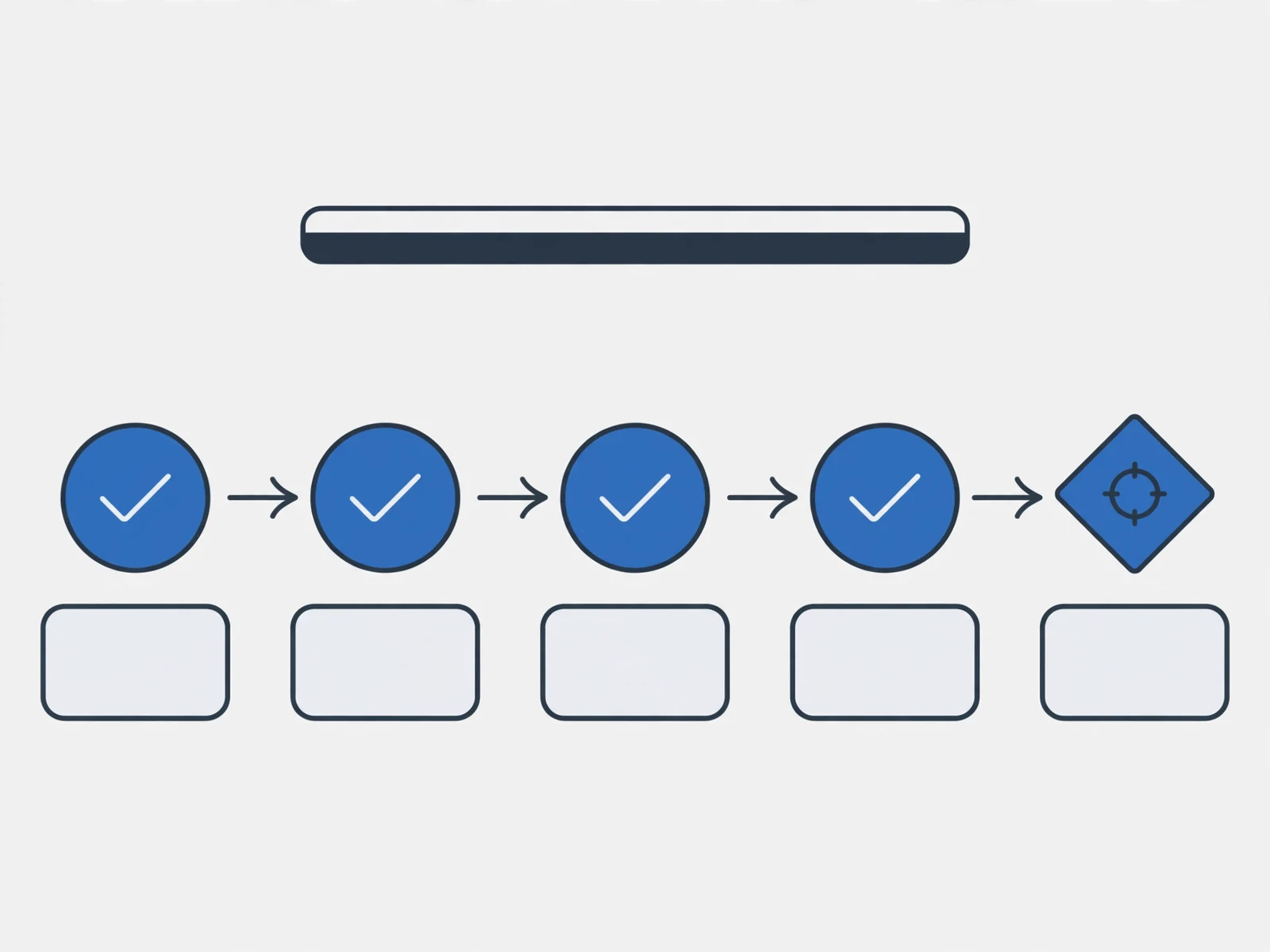
Negotiation Mandate
Agree the business objective, required outcomes, authority to negotiate and escalation points. Distinguish preferred terms from non-negotiable controls. Record who can approve concessions and whether counsel, procurement, finance or an operational owner must review changes.
Commercial Issues
Build an issues list covering scope, deliverables, acceptance, price mechanisms, payment timing, service levels, change requests, remedies and exit arrangements. State why each term matters to the operational result rather than arguing about wording in isolation.
Risk Allocation
Identify what could go wrong and who can best manage each exposure. Evaluate warranties, indemnities, limitation of liability, insurance, data protection and dispute handling with qualified reviewers. Avoid treating a limitation clause as harmless solely because the headline price is attractive.
Alternatives
Document the credible fallback if agreement is not reached, including operational delays and switching costs. Separate the supplier’s negotiable positions from factual assumptions about their options. A weak alternative should change the strategy and timeline, not be concealed.
Trades And Concessions
Predefine which terms can be exchanged and what must be received in return. Evaluate each proposal as a package: for example, a price concession might be acceptable only if service quality and remedies remain workable. Keep a decision log so separate concessions do not accumulate unnoticed.
Approval And Handover
Check the final text against the authorized deal record, confirm owners of outstanding conditions and obtain the required signatures. Translate negotiated obligations into a contract-management checklist covering deadlines, evidence, notices, escalation and renewal decisions.
Practical Contract Negotiation Checklist Working Template
- Commercial objective: Which business result and essential scope must the deal protect?
- Issue and preferred term: What is the starting position and why does it matter?
- Fallback: What operationally credible alternative exists without agreement?
- Trade limit: What may be conceded, in exchange for what, and by whom?
- Risk and review: Which legal, financial, security or delivery questions require expert approval?
- Handover: Which obligations and monitoring dates must the contract owner receive?
- Owner and next review: Who will act, by when and with which evidence?
Worked Example
A supplier proposes a modest fee reduction if the buyer accepts weaker service remedies and a shorter review period. Instead of negotiating only on price, the team asks how delayed service affects operations, which risks can be mitigated, and whether alternative providers or transition plans are credible. The negotiator records any trade and seeks approval before finalizing modified risk terms.
Common Mistakes to Avoid
- Arriving with a price target but no agreed scope or risk position.
- Offering concessions without recording the exchange and cumulative cost.
- Assuming that a verbal negotiating agreement satisfies internal approval.
- Ignoring contract administration, notices and service monitoring after signature.
- Using a standard legal clause without checking applicability with the appropriate specialist.
Questions Managers Should Ask
- Which terms are mandatory for service continuity or legal compliance?
- What does the full commercial package cost and expose us to?
- What can the counterparty reasonably offer in exchange for each concession?
- Who has authority to accept residual risk and changes to liability?
- Can the operational owner perform and monitor the obligations actually agreed?
Management Review Checklist
Before signature, reconcile the issues log with the final document. Review unresolved deviations, risk acceptance, approval records and handover tasks. A commercial deal should not be called complete while crucial operating responsibilities or notice periods are unknown.
What to Review After Three Cycles
For recurring negotiations, compare signed concessions with actual contract performance, claims and administration workload. Update playbooks where supposedly harmless wording repeatedly causes escalation or rework, while keeping client-specific legal advice separate.
A 30-Day Application Plan
- Week 1: Set the mandate, issues log, stakeholders and approval matrix.
- Week 2: Assess fallback positions and prepare balanced packages of trades.
- Week 3: Run an internal scenario negotiation and test approvals against proposed deviations.
- Week 4: Record lessons and hand the agreed obligations into contract administration.
Capability Maturity
Basic: negotiations use an issues list and clear authority. Developing: trade-offs, risk and approvals are documented consistently. Mature: commercial learning from live contracts informs future mandates, negotiation and supplier governance.
For HR, L&D and Corporate Sponsors
Use an anonymized commercial scenario in training and ask participants to produce an issues log, trade matrix, approval route and operational handover. Assess whether the negotiator can explain the whole package and its risks, not simply whether they secured a discount.
Related Courses in This Capability Cluster
A worked application scenario
A contract negotiation team faces pressure to sign a large supplier agreement quickly. Before meeting the supplier, it records non-negotiable requirements, negotiable commercial issues, acceptable concessions and fallback positions. Legal counsel identifies which clauses require specialist review, while operations confirms deliverability and finance checks payment exposure. The negotiator trades changes explicitly instead of conceding several points independently. Following agreement, a structured handover tells contract managers which obligations, limits and escalation triggers must be monitored throughout delivery.
Where to Go Next
The Contract Negotiation and Commercial Terms course develops this capability through live instructor-led practice, scenarios and workplace application. Organizations building a wider pathway can also review TheSkillGrid Training Bundles and Corporate Academies.
The best negotiated term is one the organization can approve, operate and enforce, not merely one that looks favourable in isolation.
Develop this capability in your organization