The hardest part of a difficult conversation is often the first thirty seconds.
If the opening is vague, apologetic, or accusatory, the rest of the conversation has to recover from it.
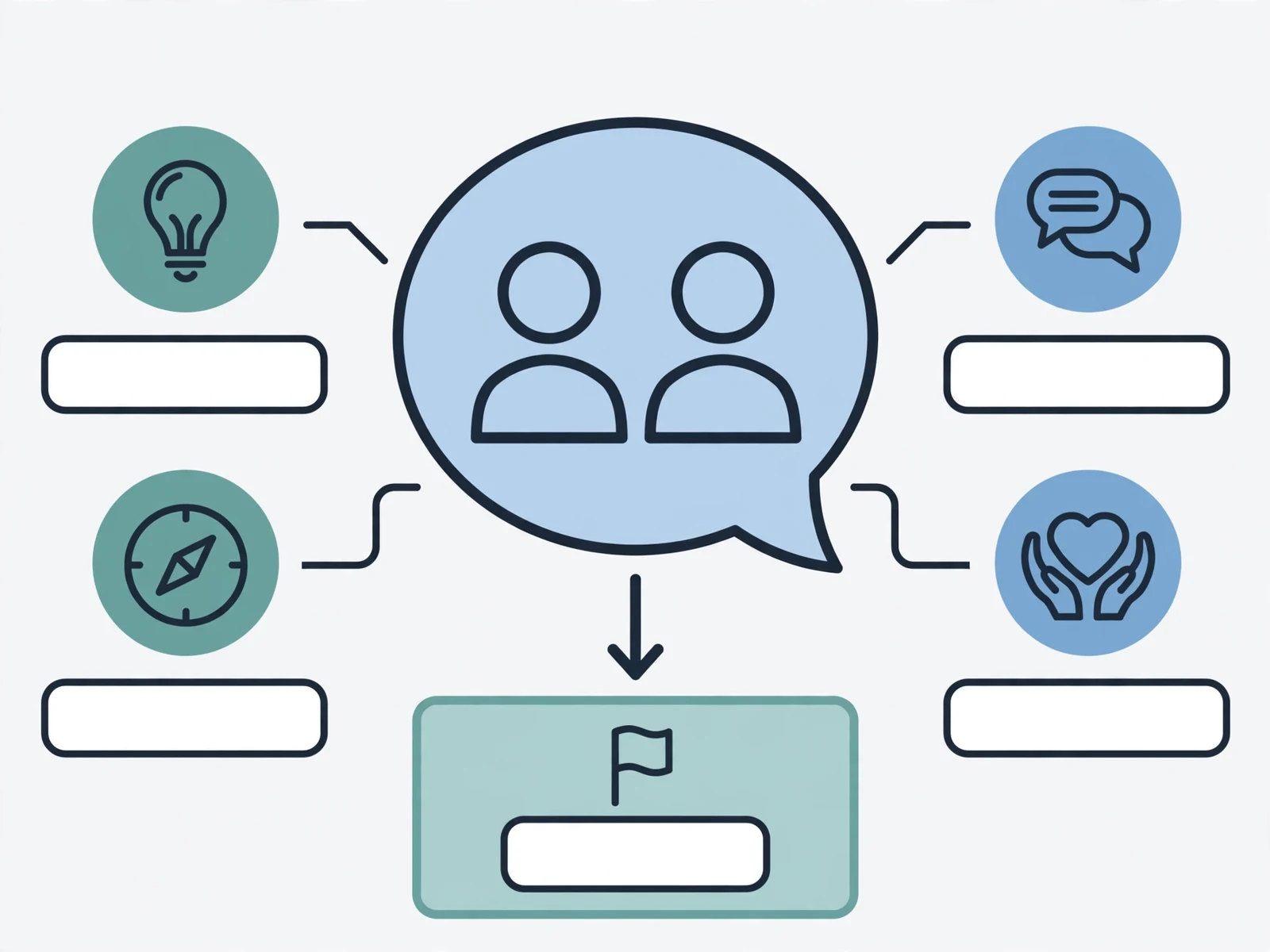
Use the CLEAR Framework
A practical structure is:
- C – Context: name the situation.
- L – Lead with the issue: say what needs to be discussed.
- E – Evidence: describe specific behavior or facts.
- A – Ask: invite the other person’s perspective.
- R – Resolve: agree the next action or boundary.
Context
“I want to discuss how the last two client handovers were managed.”
This is neutral and clear.
Lead With the Issue
“The handover information was incomplete, and both clients had to repeat information to the service team.”
Do not hide the issue inside a long introduction.
Evidence
Use specific examples rather than labels.
Avoid:
“You are careless.”
Use:
“The contact notes and contract exceptions were missing from both files.”
Ask
“What happened from your side?”
Listening does not mean abandoning your concern. It ensures you are responding to the full situation.
Resolve
“For the next handover, I need the checklist completed before the client is introduced to Service. I will review the first one with you on Thursday.”
When You Need to Set a Boundary
“I am happy to help with urgent requests. I cannot take ownership of work that arrives after the agreed deadline without moving another priority. If this happens again, we need to agree what shifts.”
When You Need to Say No
“I cannot commit to Friday with the current scope. I can deliver the core analysis by Friday or the full version by Tuesday.”
When You Need to Challenge Upward
“I support the objective. I see one material delivery risk with the current approach. The team is accountable for the deadline but does not control the supplier dependency. I recommend moving that decision to the sponsor.”
When Someone Becomes Defensive
Do not immediately retreat.
Try:
“I can hear that you see the situation differently. I want to understand that. I also need us to resolve the missed deadline.”
When Emotion Appears
You can acknowledge emotion without abandoning the issue.
“I can see this is difficult. We can take a moment. I still want us to work through what happened and what needs to change.”
When the Conversation Goes Off Track
Return to the purpose.
“That is useful context. The issue I still need us to resolve is…”
Prepare Before You Speak
Write:
- the issue;
- the evidence;
- the impact;
- the question;
- the boundary or request;
- the next step.
Choose the Right Opening for the Type of Conversation
Feedback
“I want to give you feedback on yesterday’s client meeting because the way the pricing question was handled created confusion.”
Boundary
“I want to reset how last-minute requests are handled because the current pattern is displacing committed work.”
Conflict
“We are interpreting the project decision differently, and it is affecting how our teams are working together. I want us to resolve that directly.”
Upward challenge
“I support the objective. I see a material risk in the current route that I think we should examine before we commit.”
Separate Observation From Interpretation
Observation:
“You interrupted three times while Sam was explaining the issue.”
Interpretation:
“You do not respect Sam.”
Start with what can be observed. Interpretation can be discussed later if relevant.
Use Questions to Understand, Not to Trap
Good questions include:
- How did you see the situation?
- What was happening from your side?
- What outcome were you trying to create?
- What made that difficult?
A question is not useful if you already decided the only acceptable answer is an admission of guilt.
Hold the Boundary After Listening
Understanding context does not automatically remove the expectation.
“I understand why the request arrived late. I still need the team to use the agreed escalation route rather than asking people to work overnight.”
Know When to Pause
A short pause can be useful when emotion is so high that neither person is processing information well.
Be specific:
“Let us take ten minutes and come back at 3:20. I want us to finish the conversation today.”
A pause should support resolution, not become avoidance.
Repair a Poor Opening
If you started badly, reset.
“I framed that more personally than I intended. Let me restate the issue clearly.”
Leaders do not lose authority by correcting their own communication.
Close With Specificity
Before ending, confirm:
- what was understood;
- what will change;
- who will act;
- when you will follow up;
- whether anything remains unresolved.
When a Conversation Needs Formal Support
Serious misconduct, harassment, discrimination, grievance, safety, legal, or formal disciplinary matters may require HR, policy, safeguarding, or legal processes. Communication skill does not replace appropriate procedure.
Conversation Planner
- Purpose
- Opening sentence
- Observable evidence
- Impact
- Questions
- Boundary / request
- Likely reaction
- Response if defensive
- Next action
- Follow-up date
Do Not Script Every Sentence
Preparation is useful, but the conversation still needs to respond to the other person. Prepare the opening, evidence, boundary, and desired outcome. Then listen and adapt.
Use Follow-Up to Protect the Agreement
A short written summary can prevent confusion when the conversation produced a clear commitment. Keep it factual: what was agreed, who owns what, and when you will review it.
Practice the Opening Out Loud
If the first sentence feels difficult, say it aloud before the meeting. The words often become easier once you have heard yourself deliver them clearly.
Where to Go Next
The Difficult Conversations and Assertive Communication for Women Professionals course provides repeated practice in feedback, boundaries, conflict, upward challenge, and sensitive conversations. Managers can also use Performance Management and Employee Engagement.
You do not need perfect words. You need an opening clear enough that both people understand what conversation they are actually having.
Develop this capability in your organization